Why Refrigeration Matters for Food Delivery and Catering Businesses
Tieman Group • May 2, 2026
Having a business in the food industry leaves little to no room for margin of error, what with the constant pressure of keeping perishable goods safe, meeting regulatory standards, managing costs, and delivering a product that customers actually want to receive.
Refrigeration is the infrastructure that holds all of that together. It keeps food safe, maintains quality, satisfies regulators, and protects the financial health of your business. Every stage, from preparation through to the moment food reaches a customer, depends on consistent temperature control.
This article breaks down exactly why that matters and what happens when it falls short.
Why Is Refrigeration Critical for Food Safety in Delivery and Catering?
Refrigeration slows bacterial growth. That single function is what makes it essential to every food business handling perishables.
Bacteria multiply rapidly when food enters what regulators call the danger zone, the temperature range between 41°F (5°C) and 135°F (57°C). Within that range, harmful organisms like Salmonella and E. coli can reach unsafe levels in as little as two hours, and keeping food at or below 41°F is the threshold between food that is safe to serve and food that poses a genuine health risk.
For catering and delivery operations, this is especially challenging. Food regularly spends time in transit, at venues, or in holding situations between preparation and service. Every minute in the danger zone is cumulative, and proper refrigeration at every stage is the only reliable way to keep bacteria from reaching dangerous levels before food reaches the customer.
How Does Refrigeration Help Businesses Stay Compliant With Food Safety Regulations?
Compliance requires systems that can reliably maintain and record safe temperatures, not just good intentions.
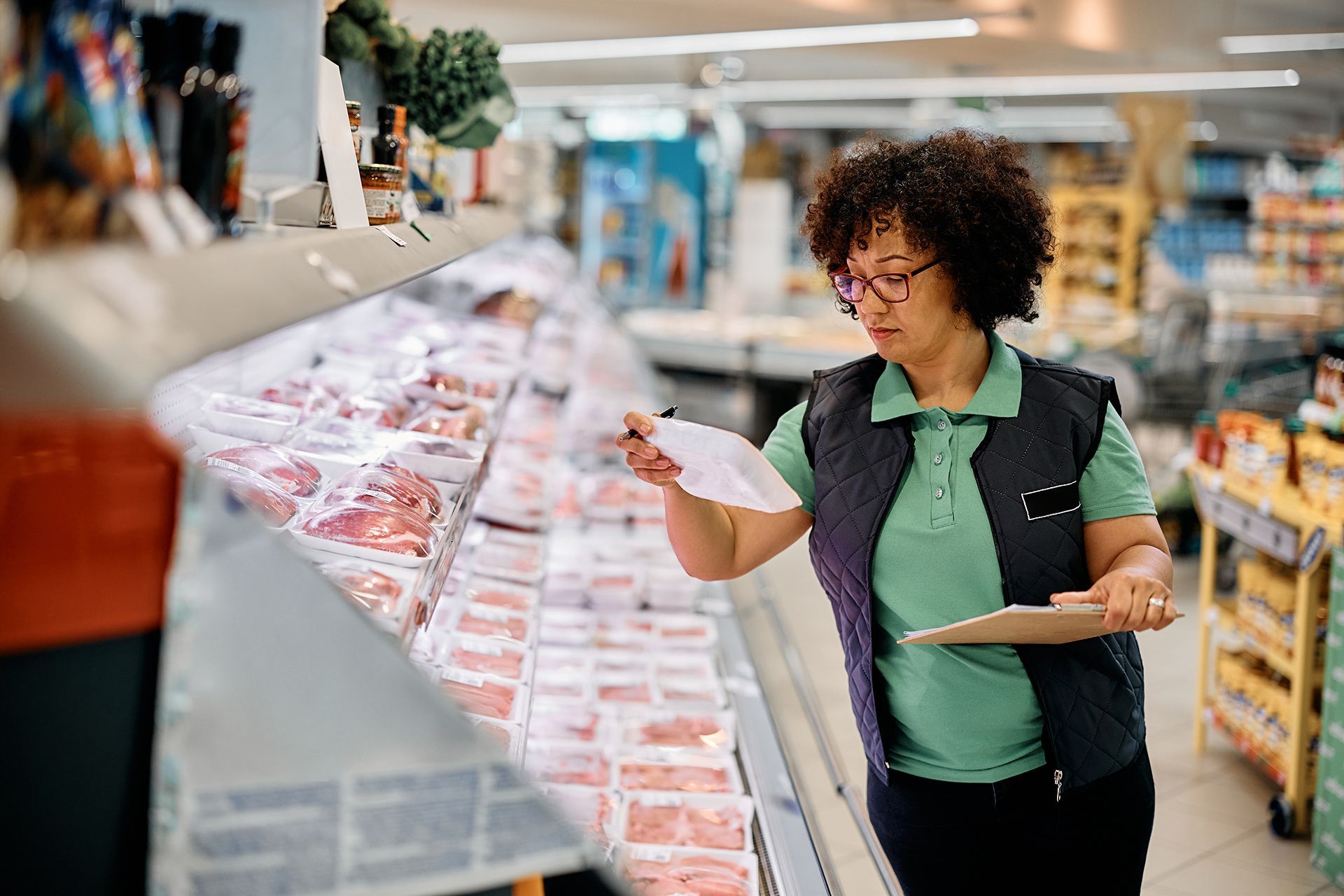
The FDA requires food businesses to demonstrate active, documented temperature control throughout storage and transport. HACCP, the Hazard Analysis and Critical Control Points framework, identifies temperature control as a critical control point. Failures here are treated as serious safety failures, not minor procedural issues.
Failing an inspection carries real consequences:
- Fines and mandatory shutdowns
- Public reporting of violations
- Legal liability in serious cases
- Reputational damage that is difficult to recover from
A professional refrigeration system that maintains consistent temperatures and supports monitoring and logging is one of the most direct ways a business protects itself from each of these outcomes.
What Is Invisible Spoilage and Why Should You Be Concerned?
Food can look, smell, and feel perfectly fresh while carrying bacterial levels that make it unsafe to eat. That is what makes invisible spoilage one of the most underestimated risks in food handling.
Brief temperature fluctuations during loading, transit delays, or frequent door openings are often dismissed as minor inconveniences. In practice, even short exposure above the safe threshold accelerates bacterial activity. The food returns to temperature, the bacteria slow down again, but the damage is already done.
The food appears normal, and the risk stays invisible right up until someone becomes ill.
Inconsistent cooling is the main driver. A refrigeration system that cycles poorly, has gaps in coverage, or runs overloaded creates pockets of uneven temperature within the storage space. Reliable, consistent refrigeration is the only effective defense against spoilage that cannot be detected by sight or smell.
How Does Refrigeration Protect Food Quality and Texture?
Safe food and good food are not always the same thing, and refrigeration has a significant role in both.
Temperature directly affects the cellular structure of what you are serving. When refrigeration is inconsistent, the results show up on the plate:
- Dairy products separate and curdle with temperature variation
- Salad ingredients wilt and lose their texture and color
- Prepared meals dry out or become soggy depending on the food type
- Delicate items like mousses, custards, and dressed salads break down entirely
For
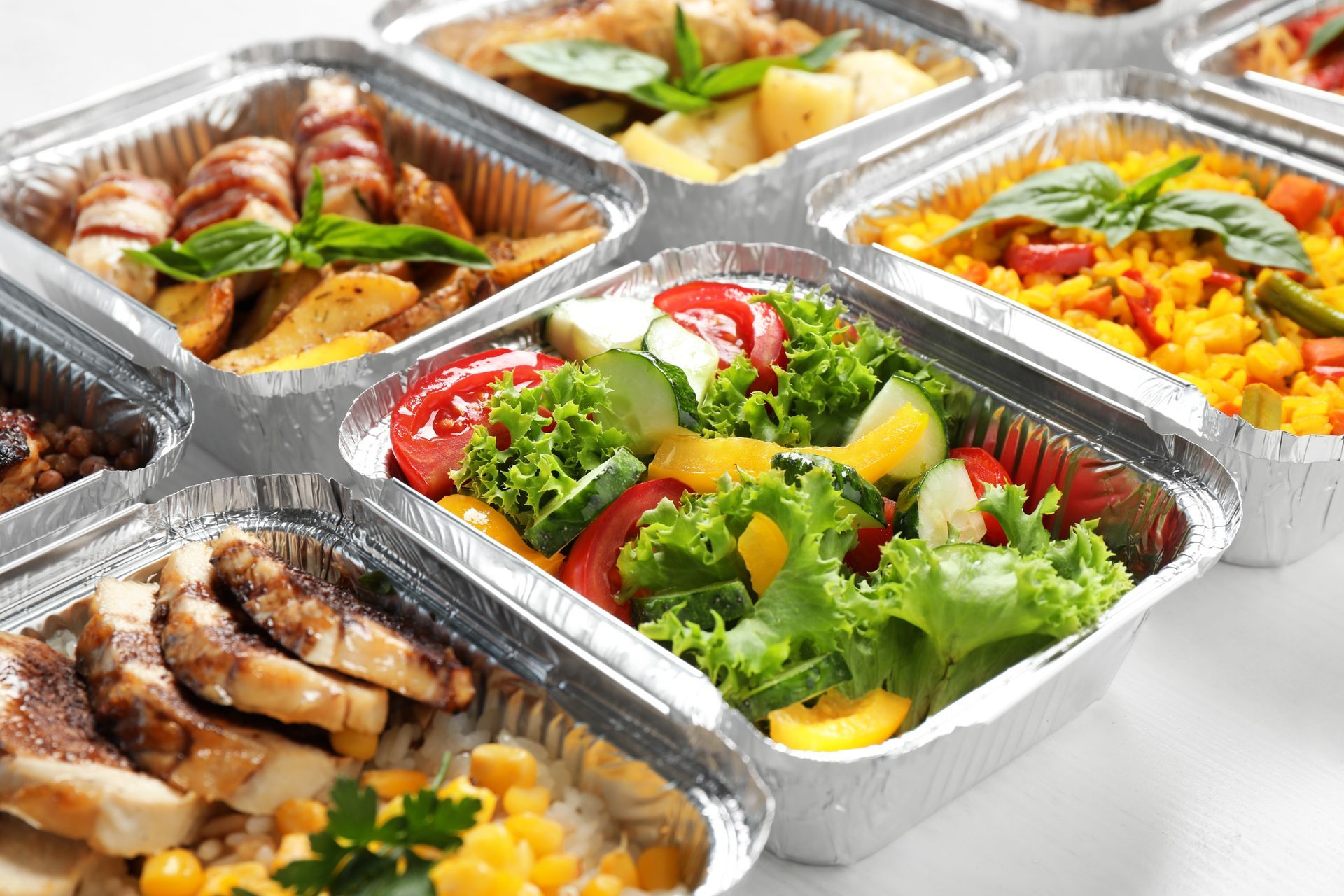
catering businesses presenting food at events, and for delivery services competing on quality, these are not minor aesthetic issues. Customers who receive food that is visually unappealing or texturally degraded will not return. Consistent refrigeration across storage and transport is what allows food to arrive in the same condition it left the kitchen.
How Does Refrigeration Improve Efficiency for Food Businesses?
Reliable refrigeration enables batch preparation, one of the most significant efficiency gains available to any food operation.
When ingredients and meals can be prepared in advance and stored safely, service periods become less pressured, workflows become more predictable, and the operation stops running on reactive instinct.
Effective cold storage also supports:
- Purchasing in larger quantities without the risk of rapid spoilage
- More accurate demand planning and inventory management
- Reduction of last-minute restocking that disrupts operations
- Longer delivery routes without compromising food safety
When food is properly chilled before leaving the kitchen, drivers have more flexibility with their schedules, which means fewer rushed turnarounds and more consistent delivery standards across the board.

How Does Proper Refrigeration Reduce Costs and Food Waste?
Spoilage is expensive. Every item discarded on safety grounds or because it degraded in storage represents a direct financial loss, and those losses compound quickly across a busy operation.
Extending the shelf life of ingredients through consistent refrigeration reduces restocking frequency and cuts waste volume. Over time, that is a meaningful reduction in food costs. Proper refrigeration also reduces exposure to regulatory action, product recalls, and legal claims that carry costs far exceeding any equipment investment.
Energy usage matters too, and it is often underestimated. Poorly maintained refrigeration systems work significantly harder to hold temperature, consuming more power and wearing out faster, which means investing in well-serviced equipment is a decision that affects your monthly operating budget directly and consistently.
Why Is Refrigeration Essential During Food Transport and Delivery?
Transport is where temperature control is hardest to maintain and where failures are most likely to occur.
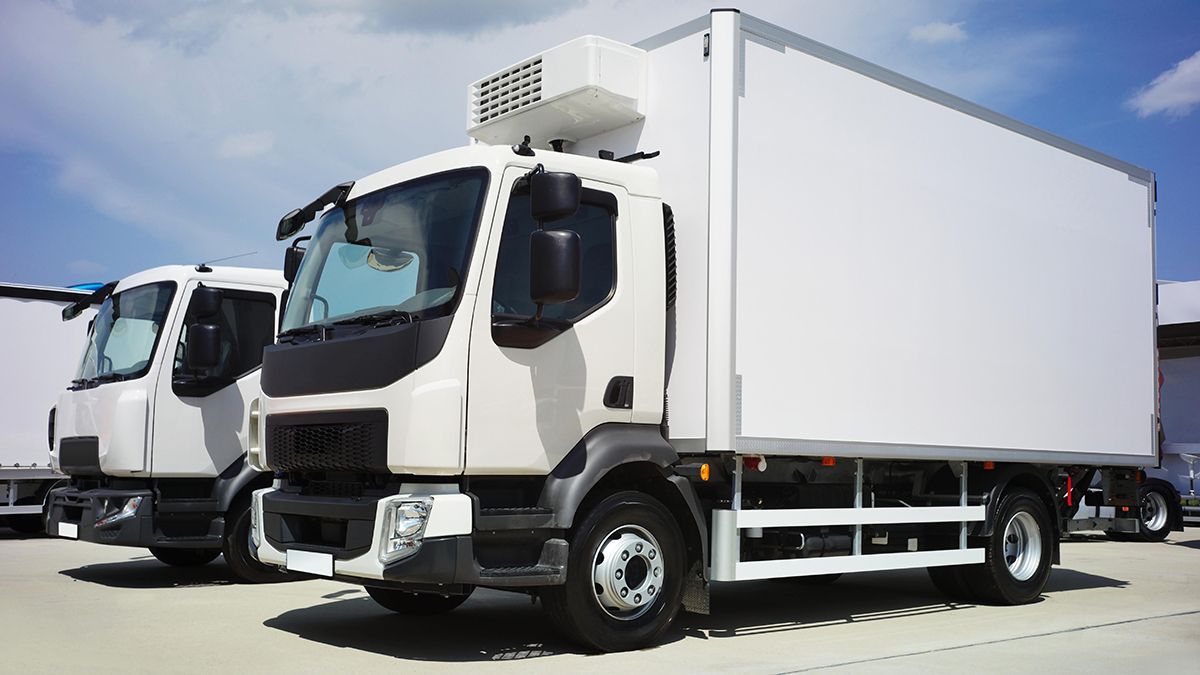
Vehicles move through varying external temperatures, face unexpected delays, and make multiple stops before completing a delivery. Each of those variables creates an opportunity for food to warm. Without active refrigeration, food that was perfectly safe when it left the kitchen can enter the danger zone before it arrives at its destination.
A properly refrigerated vehicle holds a consistent internal environment regardless of what is happening outside, so hot weather, long routes, and extended stop times do not compromise the cargo.
For catering operations, this matters even more. Food often needs to hold temperature for extended periods at venues with no access to kitchen equipment. Refrigeration for food delivery means the cold chain stays intact from preparation through to service, without gaps.
When Do You Need Advanced Refrigeration Like Blast Chilling?
Blast chilling is necessary when hot food needs to move through the danger zone rapidly before going into standard refrigerated storage.
Standard refrigerators are not designed to cool large volumes of hot food quickly. Placing hot food directly into a standard unit raises the ambient temperature inside, putting everything else in the unit at risk. A blast chiller drops food from cooking temperature to safe storage temperature in a fraction of the time, sharply limiting the window for bacterial growth during the cooling phase.
For high-volume kitchens and catering operations preparing food well in advance, blast chilling is a necessary part of a safe workflow, not an optional upgrade.
For smaller operations cooking closer to service time, standard refrigeration may be sufficient. The question is simple: how long does hot food sit before reaching a safe temperature? If that window currently exceeds two hours, a blast chiller closes a meaningful safety gap.
What Common Refrigeration Mistakes Can Put Your Food at Risk?
Most refrigeration failures in food businesses are operational, not mechanical.
The most common mistakes include:
- Overloading units, which blocks airflow and creates uneven temperature distribution across the storage space
- Frequent door openings, which raise internal temperatures faster than most operators realize
- Dirty condenser coils and worn door seals, which reduce efficiency and increase the risk of temperature drift
- Infrequent servicing, which shortens equipment lifespan and leads to unexpected failure during busy periods
- Inconsistent staff practices, where a well-maintained system is undermined by poor handling habits
That last point is often the most overlooked, because a perfectly calibrated refrigeration system operated inconsistently by an undertrained team produces the same risk as a poorly maintained one. Equipment and people both have to be working in the same direction.
How Can Food Businesses Build a Reliable Refrigeration System?
A reliable setup is built around the scale of the operation, the type of food being handled, and the full journey from preparation to delivery.
Start with equipment sized for your volume. Undersized units work harder, hold temperature less consistently, and fail more often. Invest in systems that support temperature monitoring through digital logging or connected alerts, so problems are caught early rather than discovered after a service.
Train your team on the essentials:
- Safe loading practices that do not overpack units
- Door discipline during busy service periods
- What warning signs to look for and when to escalate
Schedule maintenance proactively. A unit serviced on a schedule costs significantly less over its lifetime than one that fails mid-service.
Finally, plan for transport with the same seriousness you bring to storage, because refrigeration for food delivery does not stop at the kitchen door. The cold chain has to remain intact through every handover, every route, and every stop until the food is in the customer's hands.
Ready to Improve Your Food Delivery and Catering Operations?
If your current refrigeration setup is leaving any part of the cold chain to chance, it is worth taking a closer look. A reliable system protects your food, your reputation, your compliance standing, and your bottom line all at once.
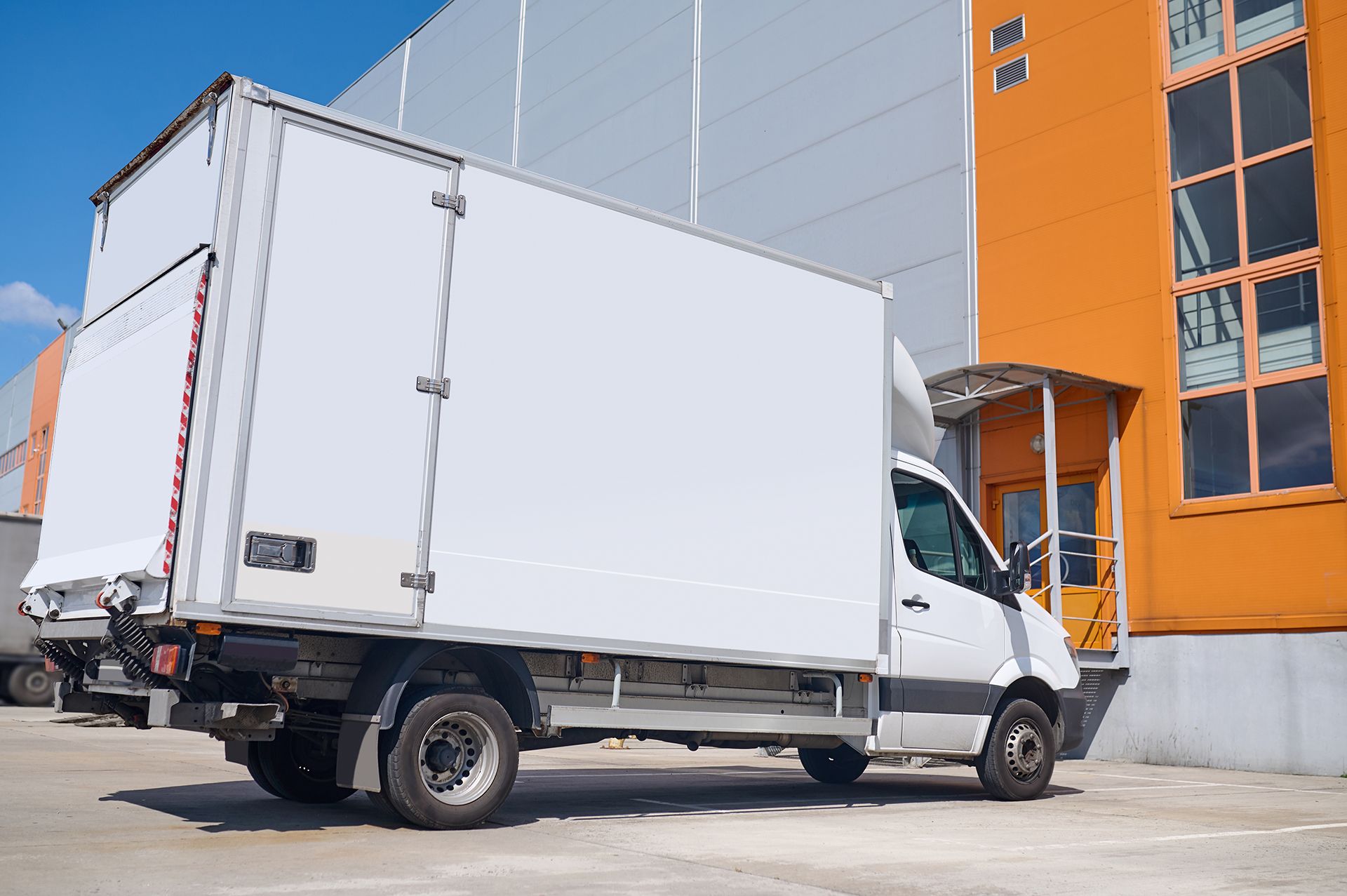
Tieman designs and supplies refrigerated bodies, slip-in bodies, and insulated panel conversion kits built specifically for food delivery and catering operations. Our solutions are engineered for the temperature performance your business depends on, regardless of fleet size or delivery volume.
Request a quote and let our team help you find the right setup for your cargo, your routes, and the customers counting on you to get it right.