Why Growing Meal Delivery Businesses Need Refrigerated Vans
Tieman Group • May 2, 2026
Scaling a meal delivery business happens faster than most operators expect. The global work meal delivery market was valued at USD 12.5 billion in 2025 and is projected to reach USD 28.3 billion by 2034, growing at a compound annual rate of 9.7%.
That kind of trajectory means more operators entering the space, more volume moving through existing operations, and more pressure on the infrastructure holding it all together.
What starts as a manageable operation with short routes and modest order volumes quickly becomes something the original setup was never built to handle. Over 78% of large enterprises now include meal benefits in their employee wellness packages, and daily office deliveries have grown by 140% since 2020 as hybrid work patterns reshape demand.
As delivery radius expands, order volumes increase, and transit times lengthen, early-stage solutions like insulated bags start to fail in ways that directly affect food safety and customer satisfaction. Refrigerated vans for meal delivery are not an optional upgrade at a certain point. They become the operational foundation that makes continued growth viable.
Why Is Food Safety More Challenging as Meal Delivery Businesses Grow?
Growth introduces food safety risks that simply do not exist at small scale. As operations expand, several pressure points emerge at once:
- Longer delivery distances mean food spends more time in transit
- Higher order volumes create congestion in staging and dispatch, which delays departure
- More drivers and more routes mean more variability in how food is handled between kitchen and customer
All of that compounds into a single core problem: more opportunity for food to enter the danger zone, the temperature range between 40°F and 140°F (4°C to 60°C) where bacteria multiply rapidly. At small scale, a 20-minute delivery window leaves little room for things to go wrong. At scale, a 60-minute route with multiple stops, a traffic delay, or a missed handover can push perishable food beyond safe limits without anyone realizing it.
The systems that worked at the start are not designed to absorb that kind of variability. Refrigerated vans are.
How Do Refrigerated Vans Keep Food Safe During Delivery?
Refrigerated vans maintain a consistent internal temperature throughout the delivery route, regardless of external weather, route length, or the number of stops made. Food stays below the 40°F threshold required to inhibit bacterial growth from the moment it is loaded to the moment it is handed over.
Unlike passive cooling, a refrigerated van's system actively responds to changes inside the cargo space:
- When a door is opened for a delivery stop, the unit compensates
- When ambient temperatures outside rise, the cargo space holds steady
- When a route runs long, the temperature does not drift
The food does not rely on residual cold from an ice pack or the insulation properties of a bag. It stays at the correct temperature because the system is continuously working to maintain it.
This is what separates reliable food safety from hoping nothing goes wrong on the route.
How Do Refrigerated Vans Help Businesses Meet Food Safety Regulations?
Food safety regulations, including requirements under the FDA's Food Safety Modernization Act, mandate documented temperature control throughout storage and delivery. Refrigerated vans support compliance by maintaining and recording consistent temperatures across every journey, giving businesses verifiable evidence that food was handled correctly.
Manual methods leave gaps. Logging temperatures by hand at departure and arrival relies on human consistency that is difficult to guarantee at scale and creates records that auditors can question.
A refrigerated van equipped with temperature monitoring provides a continuous, tamper-evident log of conditions throughout each delivery. That documentation protects the business during audits and reinforces customer confidence in the safety of what they receive.
How Do Refrigerated Vans Reduce Food Waste and Financial Loss?
Food that spoils during transit cannot be delivered, resold, or recovered. Every spoiled order represents the full cost of the ingredients, the preparation labor, and the lost revenue from a customer who does not receive what they paid for.
At small order volumes, occasional spoilage is manageable. At scale, it is not.
Even a modest spoilage rate across dozens of daily deliveries adds up to meaningful financial loss each week. Refrigerated vans remove the transit environment as a source of spoilage, preserving the value of every order that leaves the kitchen. Fewer spoiled orders also means fewer refunds, fewer redeliveries, and less time spent managing complaints, and the operational cost of handling a spoilage-related customer issue consistently exceeds the cost of the lost product itself.
How Do Refrigerated Vans Protect Food Quality and Customer Experience?
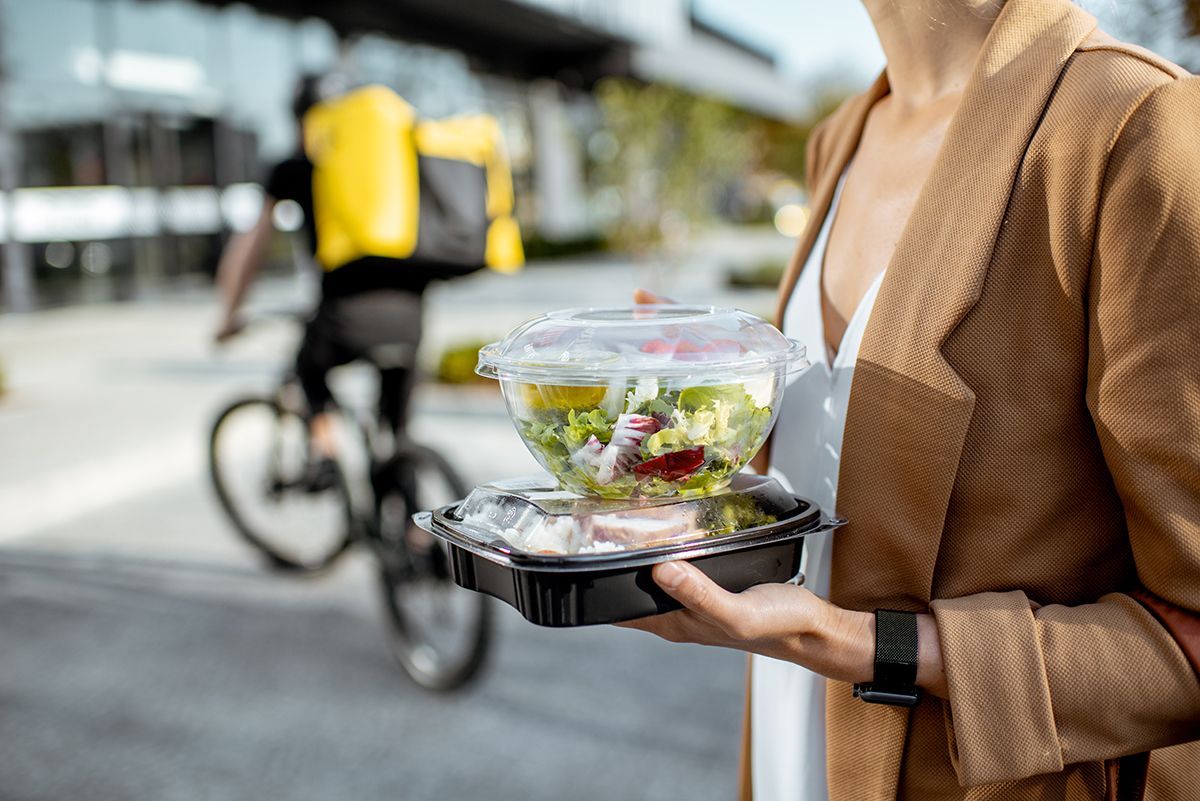
Food safety and food quality are related but distinct concerns. A meal can arrive within technically safe temperature limits while still being unacceptable to the customer because it has wilted, separated, or lost its texture during transit.
Consistent refrigeration protects both. With proper cold holding throughout the route:
- Salads stay crisp rather than wilting in residual heat
- Proteins hold their moisture instead of drying out
- Sauces and emulsions maintain their consistency
- Dairy-based components do not separate
The meal that arrives looks and tastes as close as possible to what left the kitchen. That is what customers are paying for, and what drives repeat orders.
For meal delivery businesses competing on quality, every delivery either reinforces or undermines the brand. A meal that arrives in poor condition, even if technically safe, sends a clear message: this business cannot be relied upon.
How Do Refrigerated Vans Support Business Growth and Expansion?
Refrigerated vans for meal delivery unlock routes and service areas that are simply not viable with passive cooling. When food safety is actively maintained throughout transit, the delivery radius can extend without increased risk, opening up new postcodes, new suburbs, and new customer segments.
More complex menus become feasible too. Temperature-sensitive items require consistent cold holding that insulated bags cannot reliably provide over longer distances:
- Raw proteins and fresh seafood need controlled temperatures throughout the full route
- Dairy-heavy dishes and fresh produce components degrade quickly without active refrigeration
- Premium menu items that command higher margins often need more careful handling than basic packaging allows
Growth confidence matters to stakeholders as well. Investors, partners, and large-scale clients such as corporate catering contracts or institutional food service agreements expect food safety infrastructure that scales. A refrigerated fleet signals operational seriousness in a way that insulated bags and ice packs simply cannot.
Why Are Refrigerated Vans Ideal for Last-Mile Delivery?
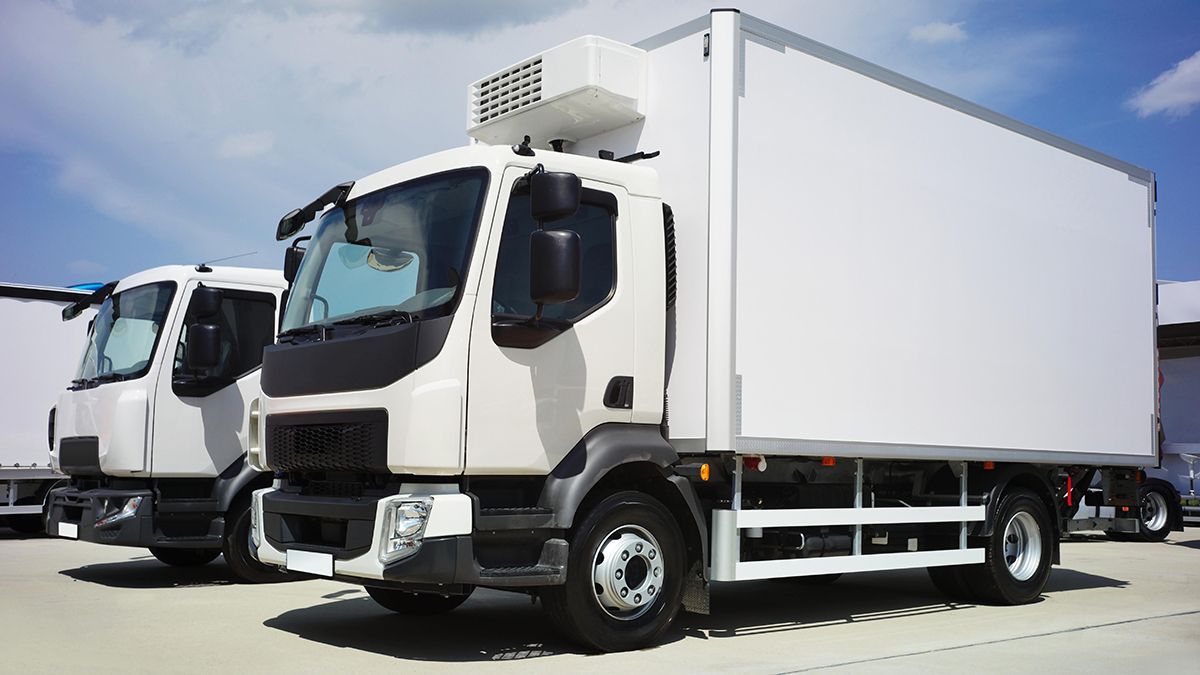
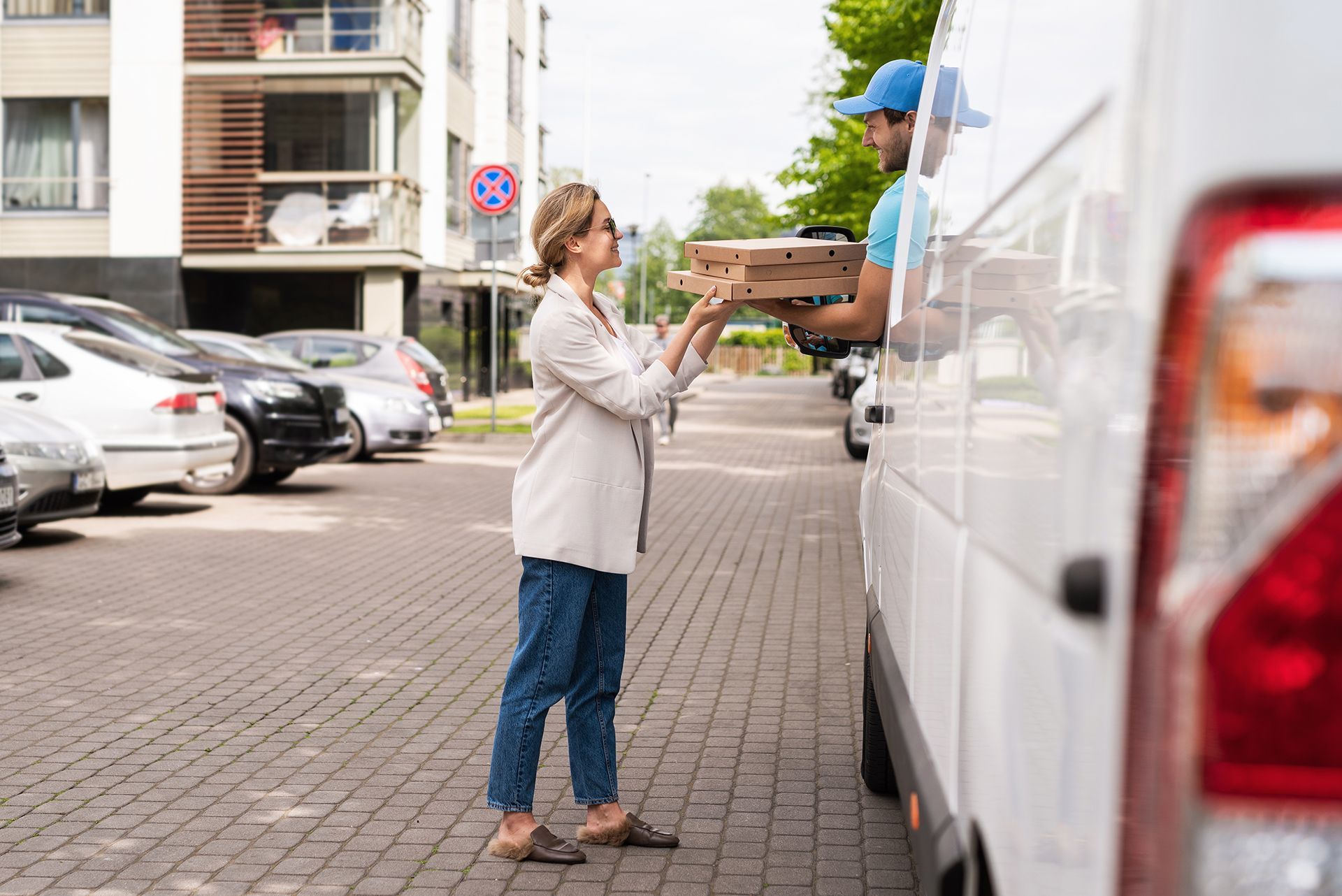
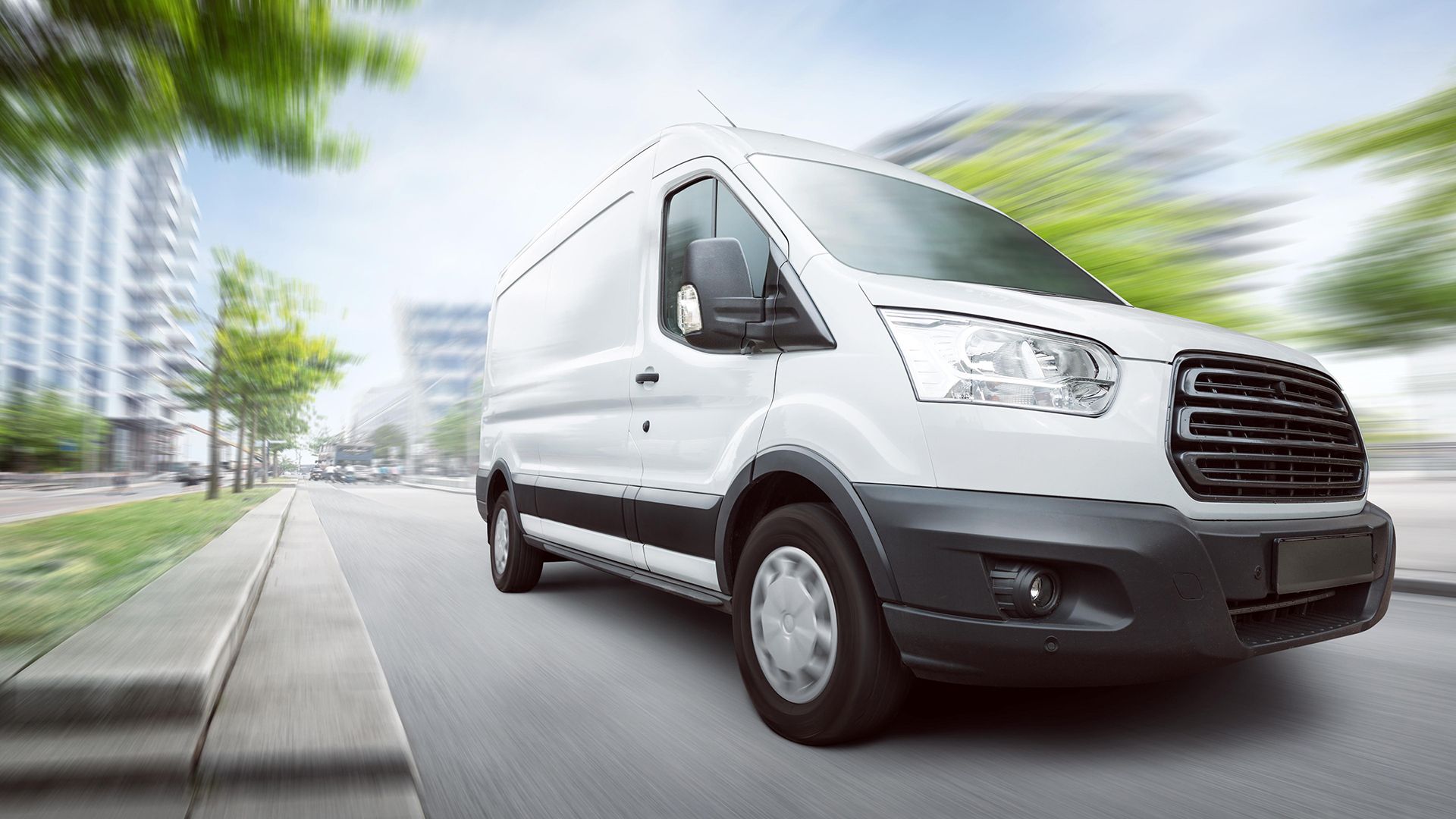
Refrigerated vans are particularly well-suited to last-mile food delivery because of their size, maneuverability, and flexibility in urban environments. Smaller refrigerated vehicles can navigate residential streets, access apartment buildings, and park in tight spaces that larger refrigerated trucks cannot.
Size is an advantage here, not a limitation.
In high-density urban areas where meal delivery businesses typically operate, moving efficiently through traffic and accessing addresses without difficulty reduces total route time and keeps food within safe conditions for less of the two-hour limit. A refrigerated van can also handle multiple drops across a varied geography far more efficiently than a larger vehicle, with running costs significantly lower than operating a full-size refrigerated truck for the same number of deliveries.
What Happens If You Rely on Basic Cooling Methods Instead?
Insulated bags and ice packs have a clear operational ceiling. They work well for short, fast deliveries under controlled conditions. As soon as those conditions change, performance degrades in ways that are hard to detect and harder to control.
The limitations compound with scale:
- Insulated bags lose their effectiveness as they age and as the insulation compresses with repeated use
- Ice packs cannot maintain a consistent temperature across a full delivery route, particularly in warm weather
- Any delay, whether from traffic, a missed handover, or a high order volume day, reduces the safety margin further
- Results become inconsistent across drivers, routes, and seasons, making food safety impossible to guarantee
At a certain point, operating with basic cooling methods is not a cost-saving measure. It is a liability.
When Is the Right Time to Invest in a Refrigerated Van?
The right time to invest in a refrigerated van is when the current setup can no longer reliably keep food safe across all deliveries, not just the straightforward ones.
Clear signals that the threshold has been reached:
- Delivery radius is expanding beyond what insulated bags can cover within safe time limits
- Order volume is increasing and staging time before dispatch is growing alongside it
- Customer complaints about food quality or temperature on arrival are appearing with any regularity
- Food safety risks are becoming harder to control consistently across the full operation
- Drivers are reporting that current equipment is not holding up through longer routes
Any one of these signals is worth taking seriously. Several of them together indicate the transition is overdue.
How Can Refrigerated Vans Strengthen Your Delivery Operations?
Refrigerated vans bring together food safety, product quality, regulatory compliance, and operational efficiency in a single investment. Each benefit reinforces the others: food that stays safe also stays fresh, which satisfies customers, which supports retention, which enables growth.
Longer routes become viable. Better menus become achievable. Compliance becomes straightforward.
For any meal delivery business serious about sustained growth, refrigerated vans are not a future consideration. They are a present operational need.
Ready to Upgrade Your Meal Delivery Setup?
If your current delivery system is reaching its limits, the right time to act is before those limits start affecting your customers.
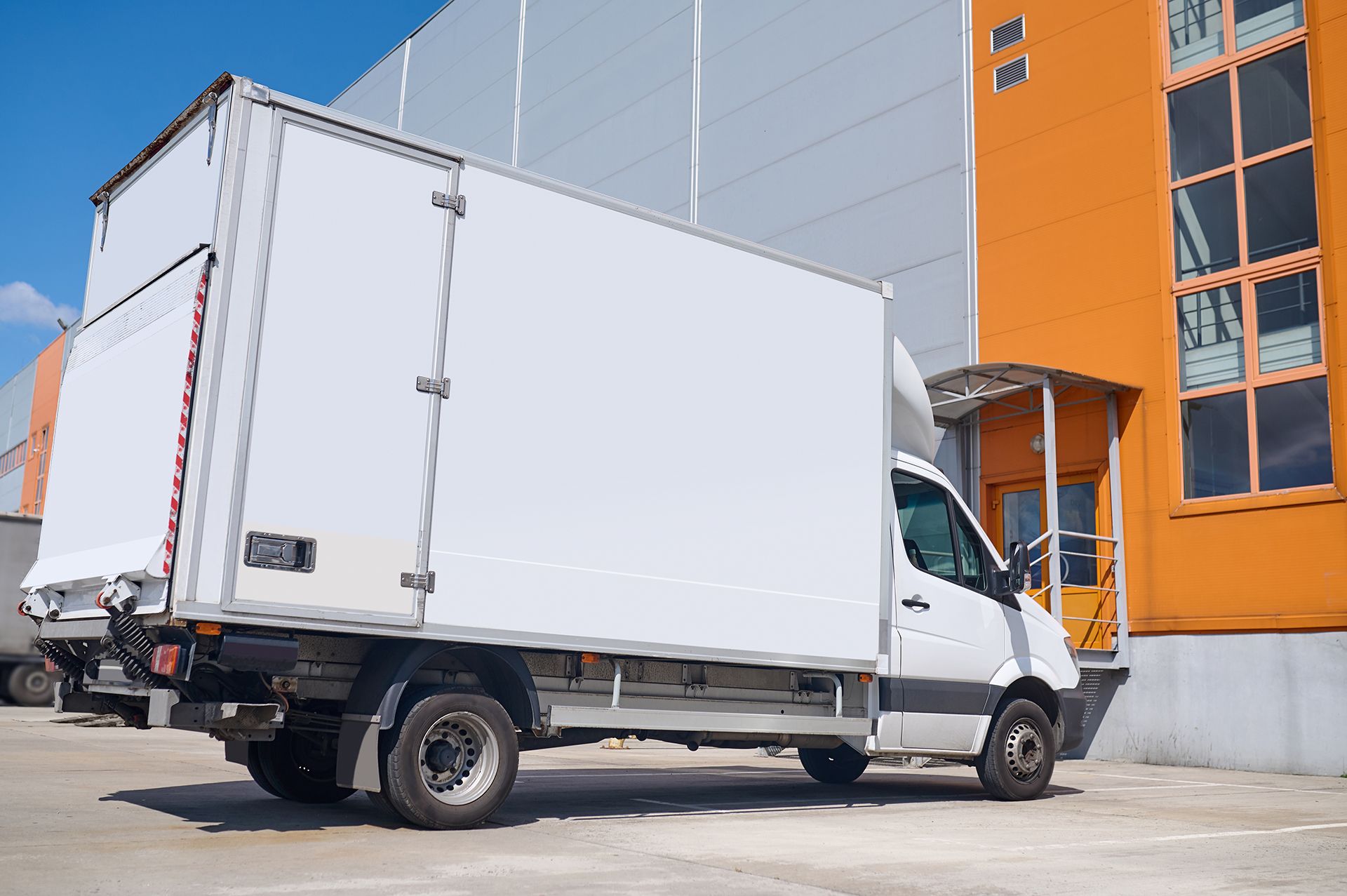
Tieman supplies insulated panel conversion kits, slip-in refrigerated bodies, and full refrigerated body assemblies built for meal delivery operations of all sizes. Our systems are designed to maintain consistent temperatures across every route, every stop, and every season.
Request a quote and let our team help you find the right refrigeration solution for your vehicles, your routes, and the growth your business is working toward.