Box Truck Conversion Kit vs Refrigerated Truck: Which To Buy
Tieman Group • May 2, 2026
Choosing the wrong setup for temperature-sensitive deliveries hits harder than most people expect, and the impact goes beyond the initial cost. It affects product quality, customer trust, and the reliability of your daily operation in ways that compound over time.
A box truck conversion kit and a factory-built refrigerated box truck both move cold cargo, but they are built for very different scales, budgets, and performance demands.
In this article, we'll break down both options clearly so you can match the right setup to where your operation actually stands.
At a Glance: Conversion Kit vs Refrigerated Box Truck
| Factor | Conversion Kit | Refrigerated Box Truck |
|---|---|---|
| Upfront Cost | Lower | Higher |
| Temperature Range | Chilled (2°C to 8°C) | Chilled to deep-freeze (below -18°C) |
| Payload Capacity | Better preserved | Reduced by system weight |
| Fuel Efficiency | More efficient | Higher consumption |
| Customization | High | Limited |
| Installation | Requires setup time | Ready to operate |
| Compliance Documentation | Depends on installer | Depends on installer |
| Best For | Local routes, chilled cargo, growing businesses | Daily cold chain, frozen goods, regulated industries |
| Long-Term Durability | Moderate | High |
| Maintenance | Variable by components | Established service channels |
What Is the Difference Between a Conversion Kit and a Refrigerated Box Truck?
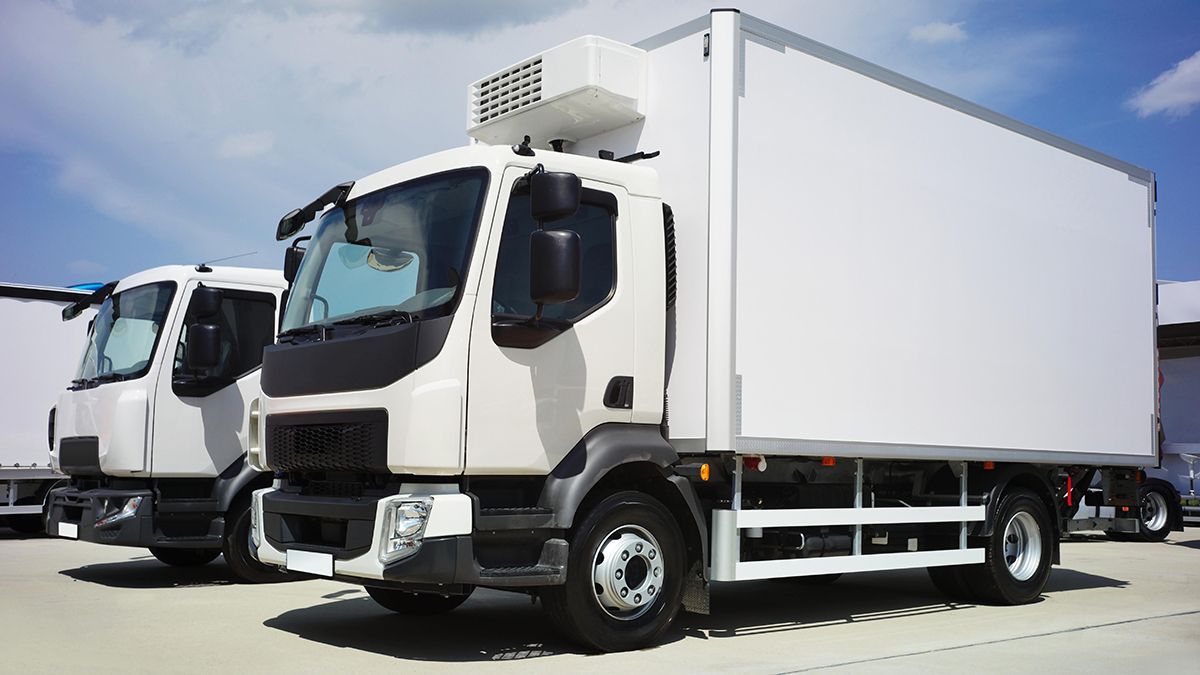
A factory-built refrigerated box truck comes with an integrated cooling system, purpose-built insulation, and temperature management components engineered to function as a single unit. It arrives ready for demanding, high-frequency cold chain use from day one.
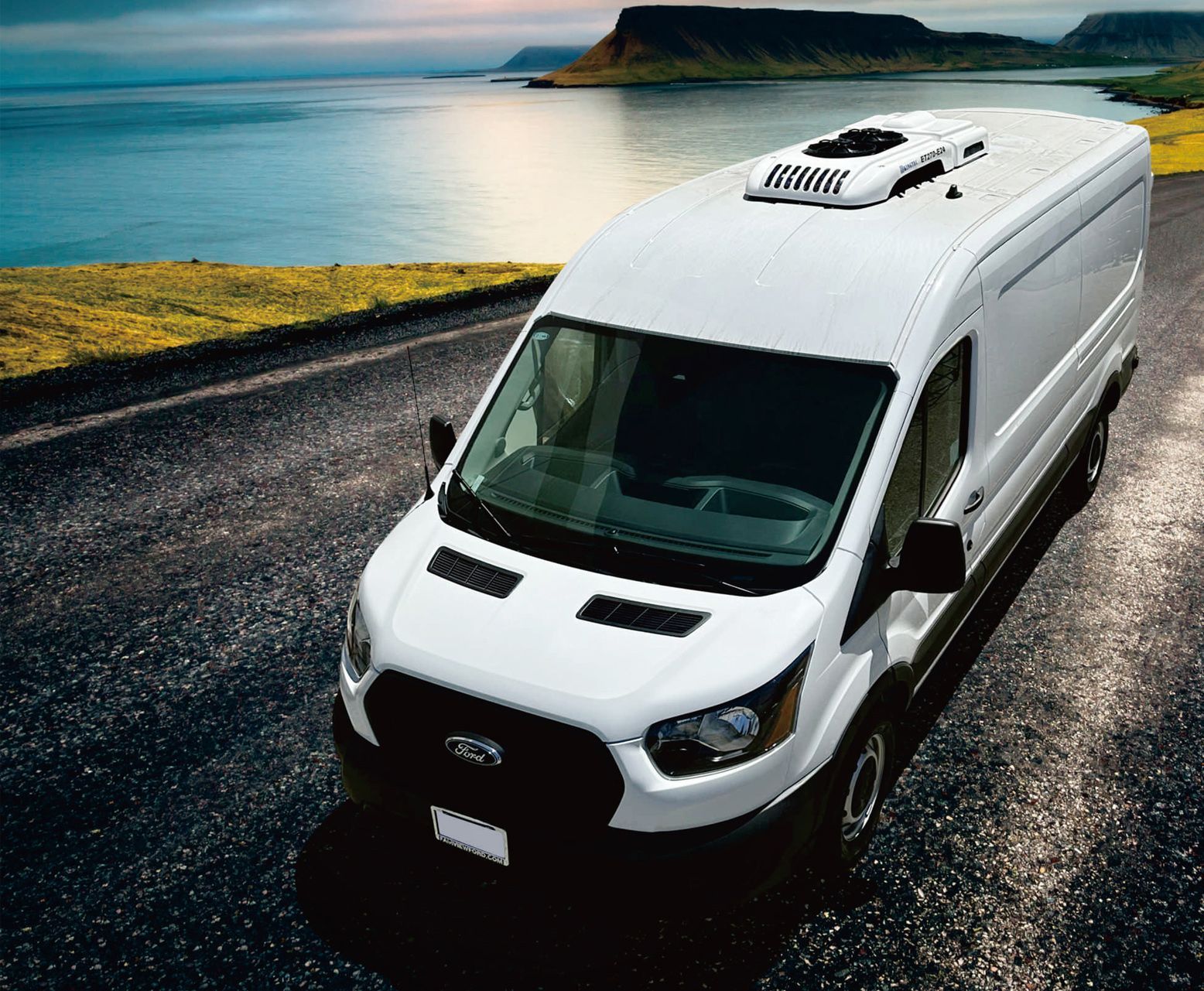
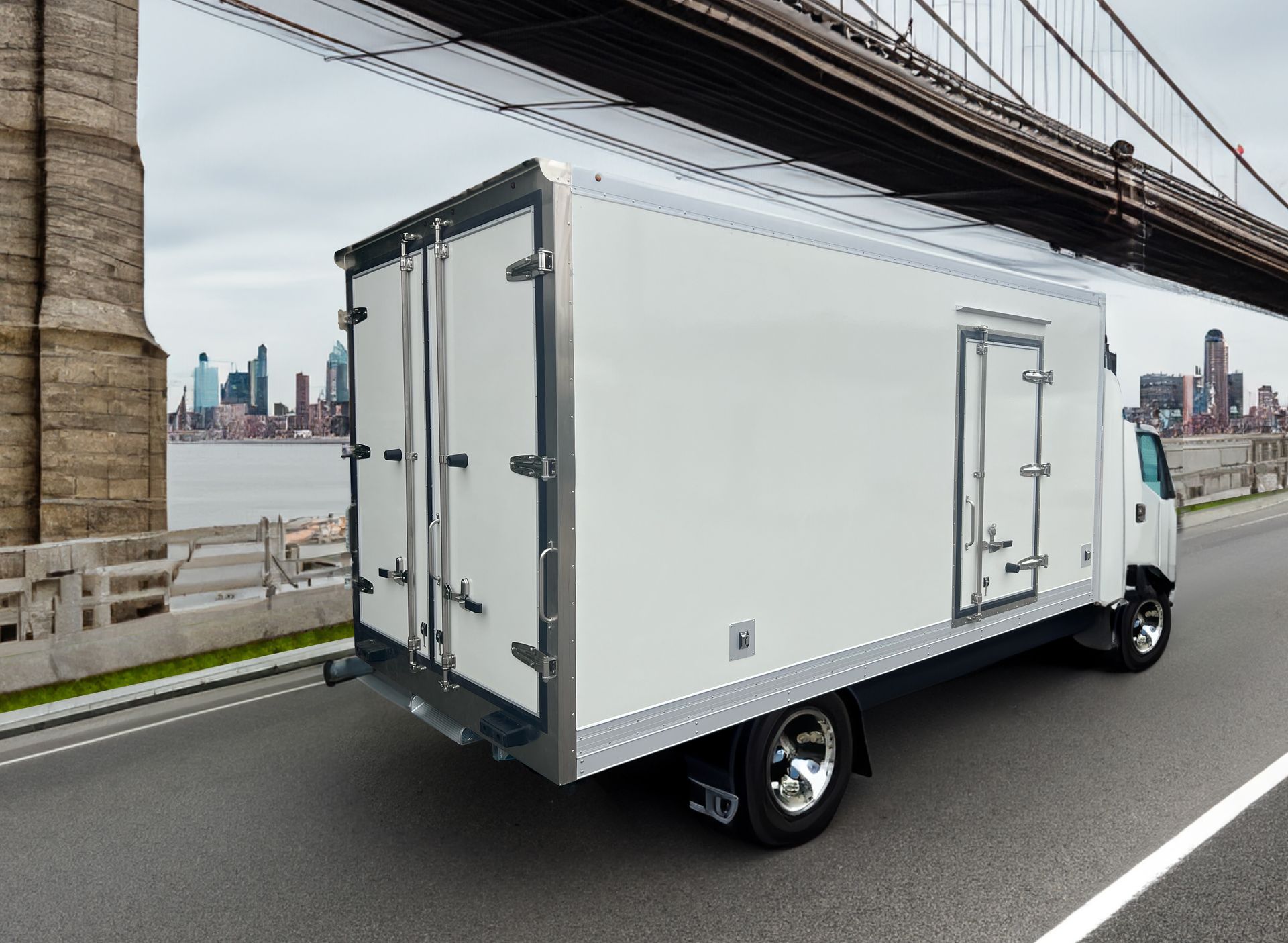
A box truck conversion kit, on the other hand, works differently, taking an existing dry freight vehicle and adding insulated panels along with a separate refrigeration unit to create a temperature-controlled cargo space. The build can be customized to suit specific needs, and in many cases the vehicle can be switched back to dry use if requirements change.
The core differences come down to four factors:
- Performance ceiling and temperature range
- Upfront cost and installation requirements
- Payload capacity and vehicle weight
- Flexibility versus long-term consistency
When Should You Choose a Refrigerated Box Truck?
A refrigerated box truck is the right call when your operation runs cold chain transport daily and product integrity cannot be compromised.
These trucks are built for consistent, high-frequency use across long routes. They maintain precise temperature ranges without variation, which matters most when hauling frozen goods, pharmaceuticals, or perishables that cannot tolerate even brief temperature swings.
They are the standard choice for:
- Food distribution operations running multiple routes per day
- Pharmaceutical and medical supply deliveries with strict temperature logging requirements
- Large-scale logistics needing sub-zero or deep-freeze capability
- Businesses operating 26-foot delivery fleets or larger
When compliance requirements are tight and there is no room for performance variance, a factory-built unit is the reliable answer.
What Are the Benefits of a Refrigerated Box Truck?
The cost is the most significant barrier, and there is no getting around it. Factory-built refrigerated trucks carry a substantially higher upfront price than conversion kits, which puts them out of reach for smaller businesses or those just starting out.
Weight is the other major trade-off. The refrigeration system and reinforced insulation add considerable mass to the vehicle, which directly reduces available payload capacity. For operations where load size matters, that reduction affects how much can be moved per trip and quietly drives up the per-delivery cost over time.
A few other limitations worth considering:
- Fuel consumption is higher due to vehicle weight and refrigeration draw
- Repairs require specialized technicians, adding cost and downtime
- Less layout flexibility compared to a customized conversion
- Not practical for businesses with only occasional refrigerated transport needs
If your cold chain needs are moderate or seasonal, committing to a fully refrigerated truck may be more than your operation actually requires.
When Does a Box Truck Conversion Kit Make More Sense?
A conversion kit makes the most sense when you need reliable temperature control at a manageable cost, without the overhead of a dedicated refrigerated fleet.
Small businesses and startups benefit most from this path. The lower upfront investment means you can get a temperature-controlled vehicle on the road without a large capital outlay, and for local or short-distance deliveries where routes are predictable and loads are moderate, a well-installed conversion performs reliably.
Conversions also suit operations that need flexibility. A vehicle installed with a conversion kit can be adapted for different cargo types, reconfigured as the business grows, or returned to dry freight use if needs shift.
They tend to work best for:
- Local and regional delivery routes
- Chilled goods like fresh produce, flowers, or dairy
- Businesses that carry both dry and temperature-sensitive cargo
- Startups building toward a larger operation over time
What Are the Benefits of a Box Truck Conversion Kit?
A quality conversion kit costs significantly less than purchasing a factory-built refrigerated truck, making it the practical entry point for many growing businesses not yet ready to commit to a dedicated reefer fleet.
Insulation materials like XPS (extruded polystyrene) or PU (polyurethane) panels can be selected based on your specific temperature requirements, and the interior layout can be configured around your cargo type, giving you a level of control that is much harder to achieve with a factory unit.
Additional advantages include:
- Lighter overall vehicle weight, preserving more payload capacity
- Faster adaptation to changing business needs
- Option to use the same vehicle for both dry and refrigerated loads
- Lower barrier to entry for growing operations
For businesses that do not yet need the performance ceiling of a dedicated refrigerated truck, a conversion kit offers a capable and cost-effective way in.
What Are the Limitations of a Conversion Kit?
Conversion kits are well-suited for chilled cargo, but they generally cannot sustain the sub-zero temperatures required for frozen goods over long distances. If your operation moves frozen product regularly, a conversion kit is unlikely to meet that demand reliably.
Performance also depends heavily on the quality of the installation itself. A poorly fitted conversion with gaps in insulation or an undersized refrigeration unit will struggle to hold temperature and cost more to run. Professional installation is what separates a build that performs every day from one that causes problems from the start.
Other constraints to keep in mind:
- Less durable than factory units under heavy, daily use
- Longer setup time compared to purchasing a ready-to-run refrigerated truck
- Higher operational risk without professional installation guidance
- Maintenance and component replacement can be less predictable than factory systems
A conversion kit rewards businesses that invest properly in the build. Cut corners, and the savings disappear quickly.
How Do Temperature Needs Affect Your Decision?
Your cargo's temperature requirements will often determine the decision before any other factor comes into play.
Sub-zero and deep-freeze cargo, including frozen foods, certain pharmaceuticals, and biological materials, requires a factory-built refrigerated truck. Maintaining temperatures consistently below -18°C over long routes is beyond what most conversion kits can reliably deliver.
Chilled cargo sits in a different category altogether. Fresh produce, flowers, beverages, and dairy products typically need to stay in a range of 2°C to 8°C, and a well-installed conversion kit using quality insulation panels can hold those temperatures reliably for local and regional routes.
Temperature fluctuation is the risk that catches most operators off guard. Even brief exposure outside the target range can compromise product quality, trigger compliance failures, and result in rejected loads. The more sensitive the cargo, the more consistency matters.
How Do Costs Compare Between Conversion Kits and Refrigerated Trucks?
Conversion kits come in lower on upfront cost, often significantly so. But the full cost comparison extends well beyond the purchase price.
Installation and setup add to the conversion investment. A professionally installed kit using quality insulation and a correctly sized refrigeration unit will cost more than a basic build, and that difference is genuinely worth paying for the long-term performance it delivers.
Over time, the cost picture shifts in a few important ways:
- Fuel: Refrigerated trucks consume more fuel due to vehicle weight and system draw, while conversions on lighter vehicles tend to be more fuel-efficient on comparable routes.
- Maintenance: Factory systems are purpose-built and generally easier to service through established channels, whereas conversions with mixed components can be less predictable in repair costs.
- Operational cost: A conversion that struggles to hold temperature wastes energy and risks product loss, adding hidden cost that erodes the initial savings over time.
- ROI timeline: For businesses running light or moderate cold chain operations, the faster return on a conversion often makes financial sense. For high-frequency, daily operations, a factory truck typically proves more cost-effective over a three to five year horizon.
How Do Payload, Weight, and Fuel Efficiency Compare?
Payload capacity is one of the most overlooked factors in this decision, and it has a direct impact on daily operating margins.
A factory-built refrigerated box truck carries the full weight of its integrated refrigeration system and reinforced insulation. On larger vehicles, that can reduce available payload by several hundred kilograms, a loss that adds up across every route, every day.
Conversion kits tend to preserve more of the vehicle's original payload capacity. The lighter insulation panels and separate refrigeration unit add weight, but typically less than a factory-integrated system does. Fuel efficiency works the same way: heavier vehicles consume more fuel per kilometer, so a refrigerated truck running a full route will consistently use more than a converted box truck carrying a comparable load.
For businesses running multiple daily routes with tight margins, these differences are not minor. They have a real and ongoing impact on profitability.
How Do You Decide Which Option Is Right for Your Business?
The right choice comes down to what your operation actually demands today, with honest consideration of where it is heading.
Here are some questions to guide your decision:
- Do you transport frozen goods or need sub-zero temperatures consistently? A refrigerated box truck is the appropriate choice.
- Are you delivering chilled cargo locally or regionally? A conversion kit can handle that reliably at a lower cost.
- How frequently do you run cold chain deliveries? Daily, high-volume operations favor factory-built reliability, while occasional or growing operations benefit more from conversion flexibility.
- What is your payload requirement? If maximizing load per trip is critical, the lighter footprint of a conversion kit has real operational value.
- Are you subject to regulated compliance audits? A factory-built truck is easier to certify and document.
There is rarely a single answer that fits every business, but there is usually a clear one for yours once you map your actual operating conditions against these questions honestly.
Ready to Upgrade Your Box Truck for Refrigerated Delivery?
Tieman builds refrigeration conversion kits designed for real-world delivery operations, practical, customizable, and built to perform without overcommitting your budget. Our kits give growing businesses a reliable path into temperature-controlled transport.
Speak with our team to find the right setup for your vehicle, your cargo, and your routes.