How Refrigeration Keeps Food Fresh During Transport
Tieman Group • May 2, 2026
The moment food leaves a kitchen or warehouse, it enters one of the most vulnerable stages of its journey.
Without the right conditions in place, quality degrades, bacteria multiply, and products that were perfectly safe at the point of loading can arrive in a state that is unsafe to serve.
Modern refrigerated transport manages temperature, controls airflow, regulates environmental conditions, and monitors performance in real time across the entire delivery route. In this guide, we’ll break down exactly how each of those mechanisms works and why each one matters.
How Does Refrigeration Prevent Food Spoilage During Transport?
Refrigeration slows the biological processes that cause food to deteriorate. Low temperatures reduce bacterial growth, inhibit mold development, and slow the enzymatic activity that breaks down food structure over time.
While refrigeration does not stop these processes entirely, it delays them long enough to give food a significantly extended window of safety and quality, provided the temperature stays consistent throughout the journey. A brief temperature spike during transit can accelerate spoilage faster than a longer journey at a stable low temperature, which is why keeping the internal environment steady matters more than simply achieving a cold temperature at the point of loading.
How Is Temperature Controlled Inside Refrigerated Transport Units?
Temperature inside a refrigerated transport unit is maintained by a dedicated cooling system that holds a pre-set internal range regardless of external conditions. Modern units can operate across a wide spectrum, from around -30°C for deep-freeze cargo up to +30°C for ambient-controlled goods.
For most fresh food categories, the target sits below 7°C. Frozen goods are typically held near -18°C to prevent any thaw during transit. The refrigeration system reads internal sensor data continuously and adjusts its output to hold the set point, even as:
- External weather conditions change
- The vehicle stops and starts throughout the route
- Doors are opened during multi-drop deliveries
A unit that reaches the correct temperature at departure but drifts during transit is not providing reliable protection. Consistency across the full journey is what matters.
How Does the Refrigeration Cooling System Work During Transport?
The cooling cycle relies on three core components working together: the compressor, the condenser, and the evaporator.
The compressor pressurizes refrigerant gas, raising its temperature significantly. That hot, pressurized gas moves to the condenser, mounted outside the cargo area, where it releases heat into the surrounding air. The refrigerant then cools, expands, and moves into the evaporator inside the cargo space, where it absorbs heat from the internal air and produces the cooling effect.
This cycle runs continuously throughout transport, constantly pulling heat out of the cargo space and releasing it externally. Rather than generating cold air from nothing, the system removes warmth from inside and expels it outside, which explains why a unit recovers more slowly after a prolonged door opening than after a brief one.
Why Is Airflow Important in Keeping Food Fresh?
Airflow is what ensures the cold produced by the refrigeration system actually reaches all of the cargo, not just the areas closest to the evaporator unit.
Without proper circulation, temperature becomes uneven across the cargo space. Products near the evaporator sit at the correct temperature, while items further away or lower in the stack sit in pockets of warmer air. That unevenness is what creates spoilage in one section of a load while the rest appears unaffected.
Purpose-built units use fans to circulate air across the full interior, typically in a floor-to-ceiling pattern. This circulation serves two additional functions beyond cooling:
- It removes excess moisture that accumulates during transport and promotes mold
- It clears gases released by fresh produce that accelerate deterioration
Even consistent airflow is as important to food freshness as the temperature setting itself.
Why Is Pre-Cooling Important Before Transport Begins?
Pre-cooling food before loading is one of the most effective steps a food business can take to protect cargo during transit. It is also one of the most commonly skipped.
Food that enters a refrigerated vehicle at an elevated temperature forces the cooling system to work harder and extends the time needed to reach a safe internal range. During that recovery window, the food sits above the ideal threshold and bacterial activity accelerates, because the refrigeration unit is designed to maintain temperature rather than rapidly cool warm product from scratch.
Effective pre-cooling includes:
- Removing field heat from produce before it is loaded
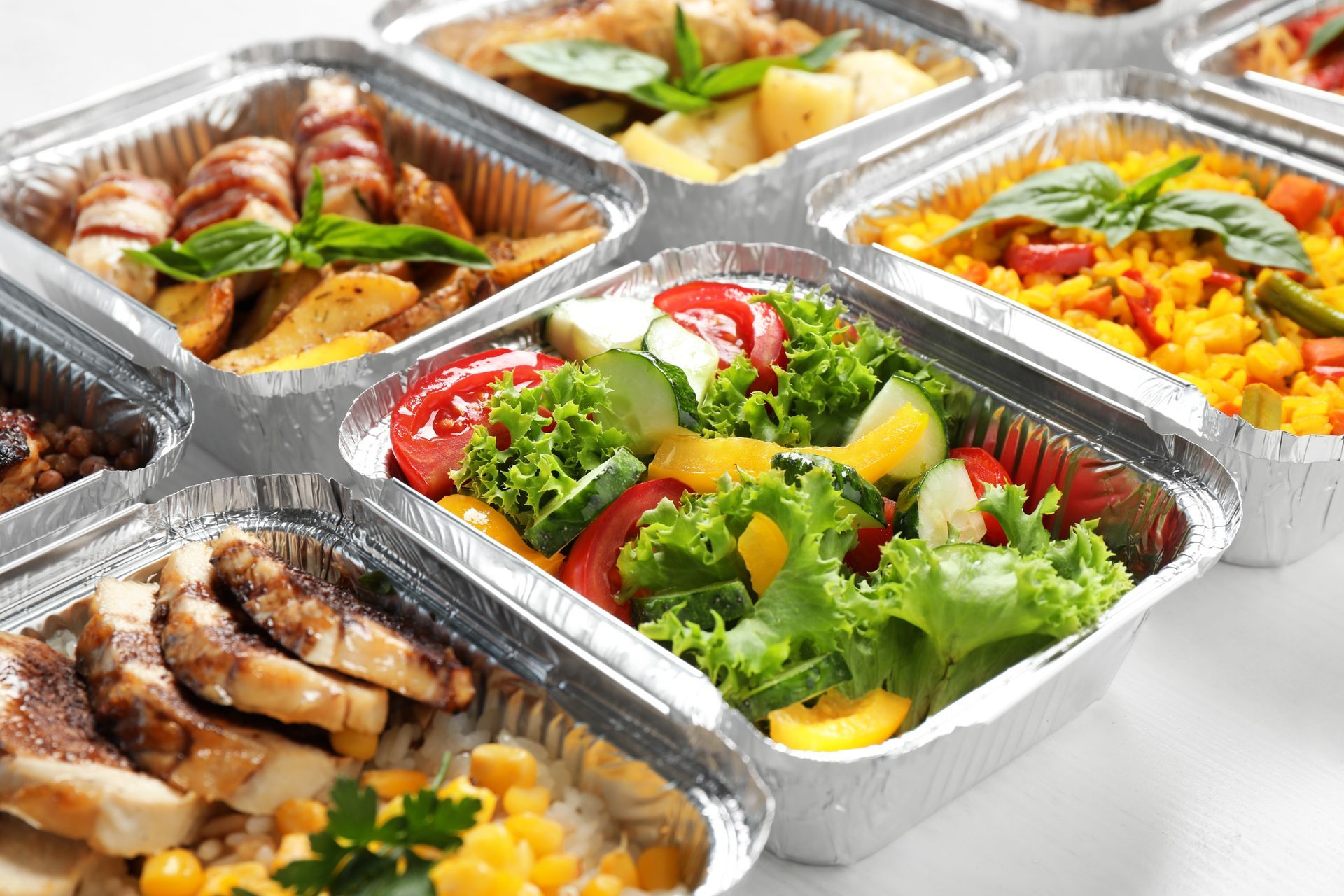
- Cooling prepared meals to the correct temperature before packaging
- Ensuring chilled products are held at the right temperature in storage before the vehicle arrives
A refrigerated vehicle performs best when the food inside is already at the right temperature when the doors close.
How Do Advanced Systems Control Air and Gas Levels?
Some refrigerated transport applications go beyond temperature and actively manage the atmospheric composition inside the cargo space. These are known as controlled atmosphere systems, used primarily for high-value produce sensitive to gas levels and humidity.
By adjusting oxygen and carbon dioxide concentrations, operators can slow the respiration rate of living produce and extend its shelf life considerably, with lower oxygen slowing ripening and elevated carbon dioxide inhibiting bacterial and fungal growth on product surfaces.
Ethylene management takes this further, since fruits like bananas and apples produce ethylene gas as they ripen, which in turn accelerates ripening in surrounding produce. Controlled atmosphere systems can scrub ethylene from the air, allowing mixed loads of sensitive produce to travel together safely.
Humidity control sits alongside all of this, preventing:
- Excess moisture, which promotes mold growth
- Excess dryness, which causes wilting and product weight loss

What Temperature Settings Are Used for Different Types of Food?
Different food categories require different temperature ranges, and using the wrong setting for a particular cargo creates the same risk as inadequate refrigeration.
Practical reference points for common food categories:
- Frozen goods are held at or below -18°C to prevent any thawing during transit
- Fresh meat and poultry require 0°C to 4°C to stay within safe limits
- Fresh fish is kept closer to 0°C, as it degrades faster than meat at slightly higher temperatures
- Dairy products including milk, cheese, and yogurt are stored between 1°C and 4°C
- Fresh produce varies considerably, with some items sensitive to temperatures below 8°C and others requiring it
Running a mixed load requires compartmentalization within the vehicle or careful sequencing of drops to ensure each cargo type spends its journey at the appropriate temperature. A single fixed setting across incompatible cargo compromises the integrity of part of every load.
How Do Monitoring Systems Keep Refrigerated Transport Reliable?
Real-time monitoring converts a refrigeration system from a passive unit into an actively managed cold chain. IoT-connected sensors placed throughout the cargo space continuously log conditions and transmit data during transit.
These systems track:
- Temperature at multiple points within the vehicle
- Door open and close events throughout the route
- Humidity levels where cargo requires it
- Alerts triggered when any reading falls outside the acceptable range
Rather than discovering a temperature excursion after delivery, operators receive a notification in real time and can respond before spoilage occurs. The logged data also serves a compliance function, providing documented evidence that cold chain standards were maintained across every journey to support audits, client reporting, and regulatory requirements.
What Can Go Wrong Without Proper Refrigeration During Transport?
The consequences of inadequate refrigeration compound quickly and extend well beyond a single spoiled delivery.
Without consistent temperature control, bacterial growth accelerates to unsafe levels within hours. Produce wilts, proteins degrade, dairy separates, and texture deteriorates in ways that cannot be reversed once the cold chain is broken. The financial damage is immediate and the reputational damage takes considerably longer to recover from.
Food safety violations resulting from temperature failures carry legal consequences in most regulated markets. A single documented failure can trigger audits, client reviews, and enforcement action, and the cost of managing that fallout is a multiple of what proper refrigeration across a fleet would have cost.
How Does Refrigeration Support Safe and Reliable Food Delivery?
Keeping food fresh in transit is the result of several systems working in coordination:
- Temperature control sets the safe environment
- The cooling cycle maintains it continuously throughout the route
- Airflow distributes cold air evenly across the full cargo space
- Pre-cooling gives the system the best possible starting conditions
- Monitoring confirms everything is performing as it should, in real time
No single element is sufficient on its own. A vehicle that reaches the correct temperature but has poor airflow will still produce uneven results. A well-cooled, well-circulated system with no monitoring has no way to catch a developing problem before it affects the cargo.
For food businesses operating at any scale, refrigeration is the operational foundation that makes consistent, safe food delivery possible across every route, every day.
Ready to Improve Your Food Transport and Delivery Process?
If your current transport setup is not giving you confidence in every delivery, it is worth reviewing what your vehicles are actually capable of.
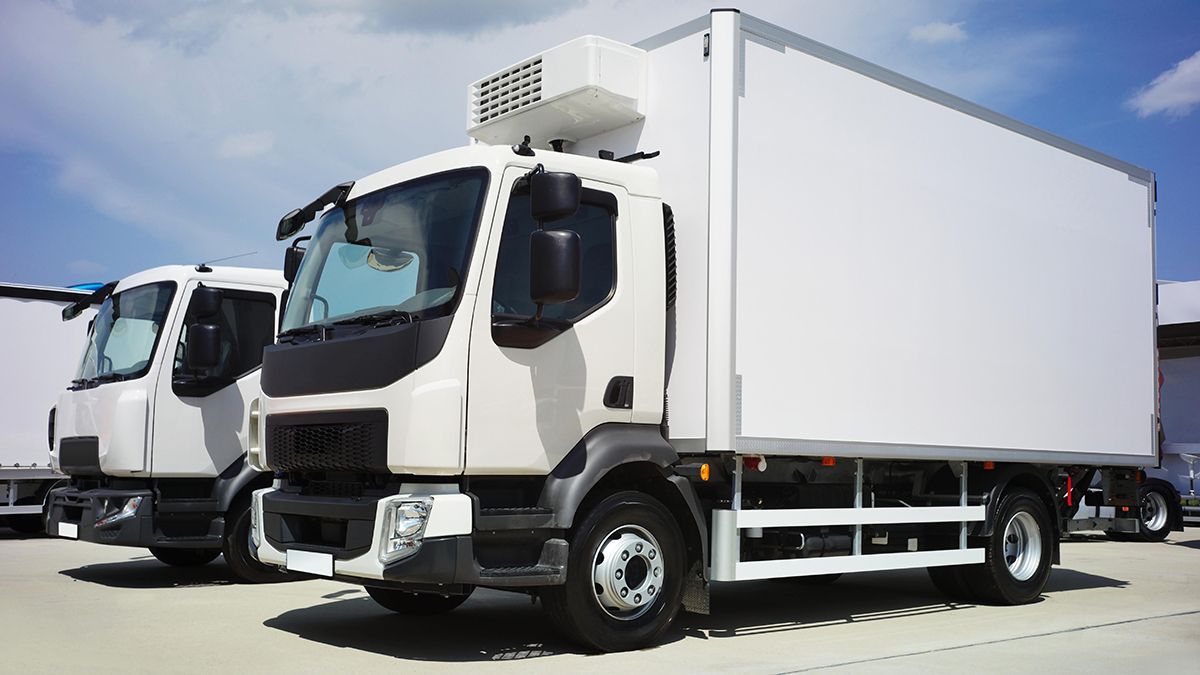
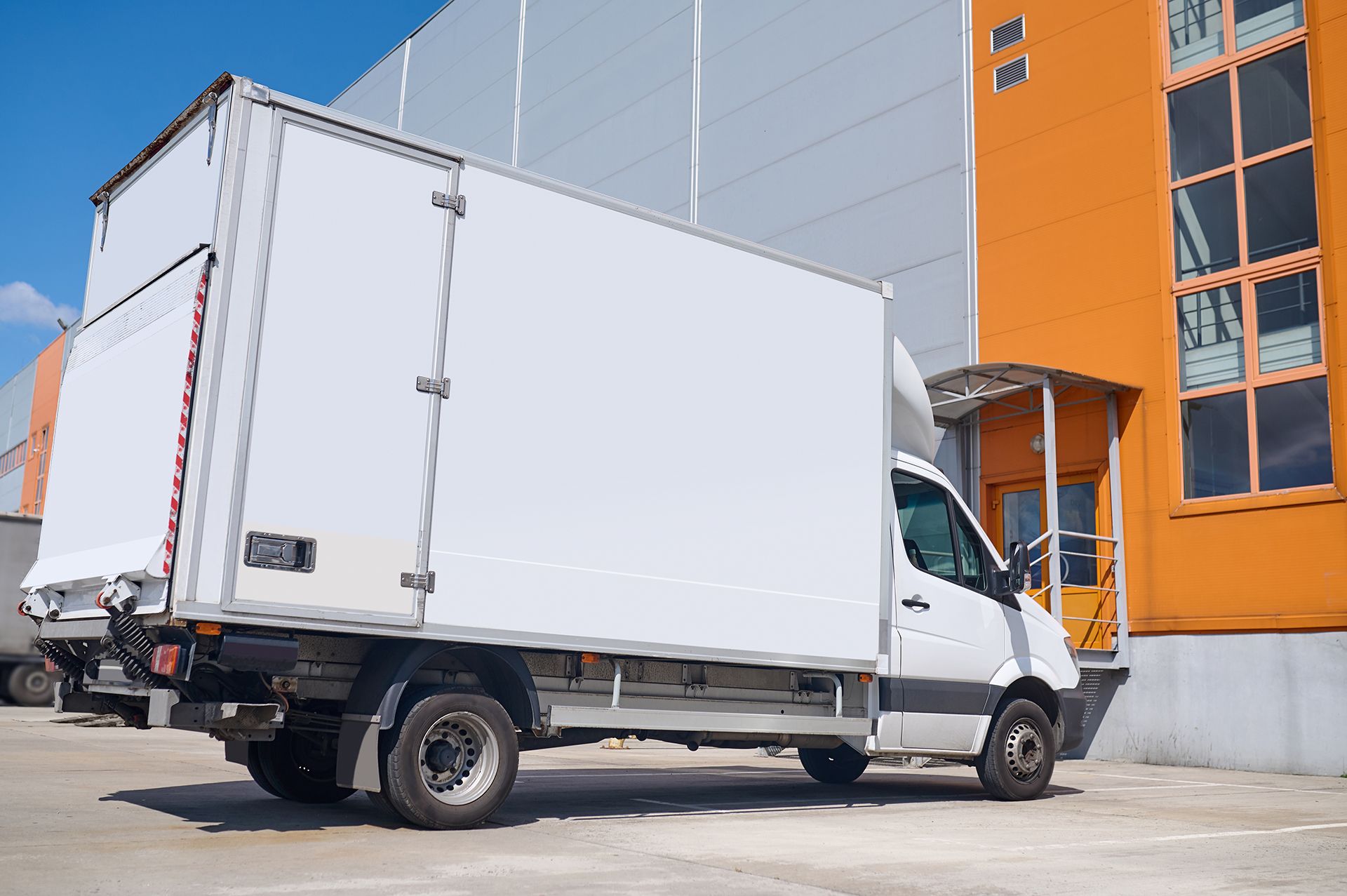
Tieman supplies refrigerated bodies, slip-in bodies, and insulated panel conversion kits designed for food transport operations that require consistent, reliable temperature performance. Our systems are built to support the full cold chain, from loading through to final delivery.
Request a quote and let our team help you find a refrigeration solution matched to your cargo, your routes, and the standards your customers expect.