How Long Can Food Stay Safe Without Refrigeration During Delivery
Tieman Group • May 2, 2026
Food can look perfectly fine long after it has become unsafe to eat.
There are no visible signs, no unusual smell, and no way to tell by tasting it that bacterial levels have already reached a dangerous point. Safety with perishable food is determined by time and temperature exposure, not appearance. Clear guidelines exist to take the guesswork out of the equation, and this article walks through those guidelines from the moment food is prepared to the moment it is consumed.
What Is the Temperature Danger Zone for Food During Delivery?
The temperature danger zone for food is the range between 40°F and 140°F (4°C to 60°C). Bacteria multiply rapidly within this range, and food that spends time here accumulates risk that cannot be reversed by subsequent cooling or reheating.
This applies across the entire journey:
- Storage before dispatch
- Time in transit
- Any waiting period after arrival at the destination
Many food businesses focus on temperature control during preparation and storage while underestimating how quickly conditions change during delivery. A vehicle interior on a warm day, an insulated bag left in direct sunlight, or a delayed handover can all push food into the danger zone faster than expected. Keeping food below 40°F or above 140°F throughout the process is the fundamental rule that all other guidelines build from.
How Long Can Food Stay Safe Without Refrigeration?
Perishable food can stay safe without refrigeration for a maximum of two hours when the surrounding temperature is below 90°F (32°C). This two-hour limit applies to:
- Meat and poultry
- Eggs and dairy
- Cooked meals and casseroles
- Any other food that requires refrigeration to remain safe
The two-hour window covers the total cumulative time in the danger zone, including preparation, delivery transit, and any time the food sits waiting after it arrives. Once the combined time reaches two hours, the food needs to be consumed immediately or discarded.
It is not two hours per stage. It is two hours total.
The appearance, smell, and texture of the food are not reliable indicators of safety at this point. Food that has been in the danger zone for two hours can look and smell entirely normal while carrying bacterial levels high enough to cause illness.
What Happens to Food Safety in Hot Weather?
When the ambient temperature exceeds 90°F (32°C), the safe window drops from two hours to one hour. Higher temperatures accelerate bacterial growth significantly, compressing the timeline within which food remains safe.
A vehicle interior parked in direct sunlight can reach temperatures well above 90°F within minutes, even with the engine off. Food left in a car during a delivery run, placed at an outdoor event, or handled in an unventilated kitchen during peak summer heat is subject to this reduced limit.
Delivery operations that do not adjust their handling practices for temperature conditions are applying cold-weather rules to warm-weather realities. That gap is where illness risk increases.
Can You Still Eat Food After It Has Been Left Out for Two Hours?
Food that has spent between two and four hours in the temperature danger zone may still be eaten, but only immediately and without being stored again. Once food crosses the two-hour mark, the option to refrigerate it and eat it later is gone.
The risk increases with every additional minute beyond two hours. Eating food at the two-hour boundary carries more risk than eating it at one hour, and anything approaching the four-hour mark should be treated with significant caution regardless of how it looks or smells.
If the food will be consumed right away and you are confident in the timeline, it can be eaten. If there is any doubt, discard it.
When Should You Throw Food Away After Delivery?
Food that has spent more than four hours in the temperature danger zone should be discarded, full stop. Bacterial levels may already be high enough to cause foodborne illness even if the food appears and smells completely normal.
This applies to:
- Delivered meals that arrived late or were left unattended
- Restaurant leftovers taken home and left out
- Any perishable item that has been sitting at room temperature for an extended period
The four-hour mark is the absolute outer boundary, not a target to aim for. Food businesses operating close to this limit are managing risk rather than eliminating it. The principle that food safety professionals consistently reinforce is worth repeating: when in doubt, throw it out. The cost of discarding food is always lower than the cost of a foodborne illness event.
What Temperature Should Food Be When It Arrives?
Cold food should arrive at or below 40°F (4°C). Hot food should arrive at or above 140°F (60°C). Food delivered in the range between these two thresholds is already within the danger zone and should be treated accordingly.
Relying on touch or visual assessment to judge delivery temperature is unreliable. A thermometer is the only accurate way to confirm food has arrived within safe limits, and businesses that provide temperature-verified delivery carry a clear advantage in both compliance and customer trust.
If food arrives outside of these ranges, the two-hour and four-hour rules apply from the moment it entered the danger zone, not from the moment it was delivered.
How Long Can Hot Food Stay Safe During Delivery?
Hot food remains safe as long as it is held at or above 140°F (60°C). Once the temperature drops below this threshold, the two-hour countdown begins, regardless of whether the food looks or feels hot to the touch.
Holding food at a low heat setting is not a safe substitute for proper hot holding. Food sitting at 120°F or 130°F is in the danger zone even though it feels warm. That distinction matters more than most operators realize.
If hot food drops below 140°F and needs to be reheated, it must reach an internal temperature of at least 165°F (74°C) to be considered safe again. Reheating to a lower temperature does not eliminate the bacteria that accumulated while the food was in the danger zone.
How Does Packaging Help Keep Food Safe During Delivery?
The right packaging slows down the rate at which food moves toward the danger zone, giving delivery operations more time to complete routes without compromising safety.
Effective options include:
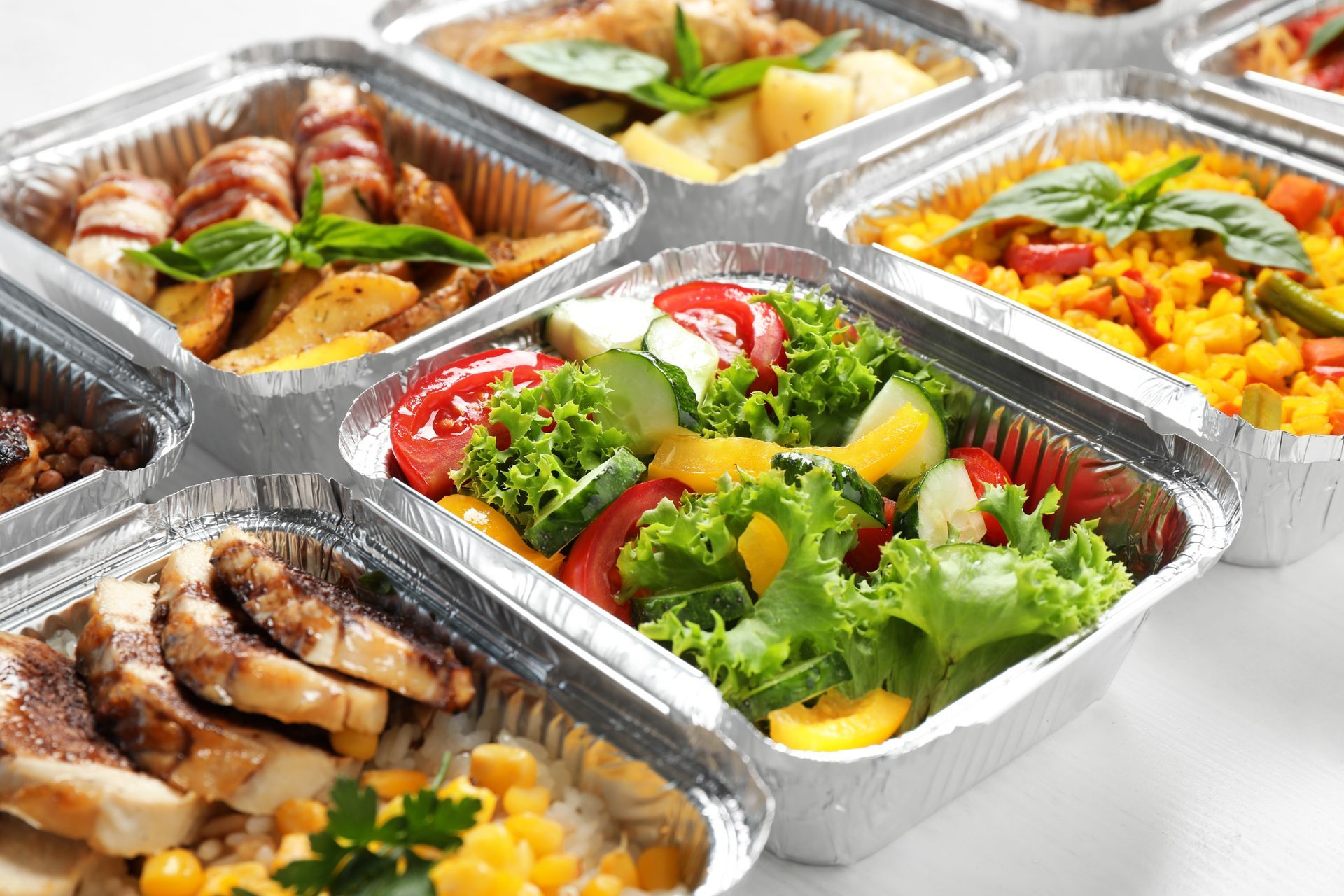
- Insulated containers and thermal delivery bags that reduce heat exchange with the surrounding environment
- Ice packs and gel packs for cold food, which provide an additional buffer through longer routes or delayed handovers
- Compartmentalized packaging that separates hot and cold items within the same delivery
Packaging does not eliminate the two-hour rule, but it meaningfully extends the window within which food can safely remain in transit. A well-insulated hot food container that holds temperature for 90 minutes gives a delivery service far more operational margin than one that begins losing heat within 30 minutes.
What Are the Best Practices for Keeping Food Safe During Delivery?
Keeping food safe during delivery comes down to minimizing the time food spends in the danger zone through consistent practices at every stage.
Practical steps that make a measurable difference:
- Dispatch food as quickly as possible after preparation, rather than holding it in staging areas
- Avoid leaving food in parked vehicles, where interior temperatures rise rapidly
- Use hot and cold holding equipment matched to the food type and route length
- Divide large portions into smaller, shallow containers for faster cooling when needed
- Refrigerate any leftover or returned food promptly rather than leaving it at room temperature during closedown
Ready to Improve Food Safety in Your Delivery Process?
Reviewing your current delivery setup against the time and temperature standards in this article is a practical starting point. Gaps in packaging, vehicle temperature management, or holding practices are easier to address before a problem occurs than after one does.
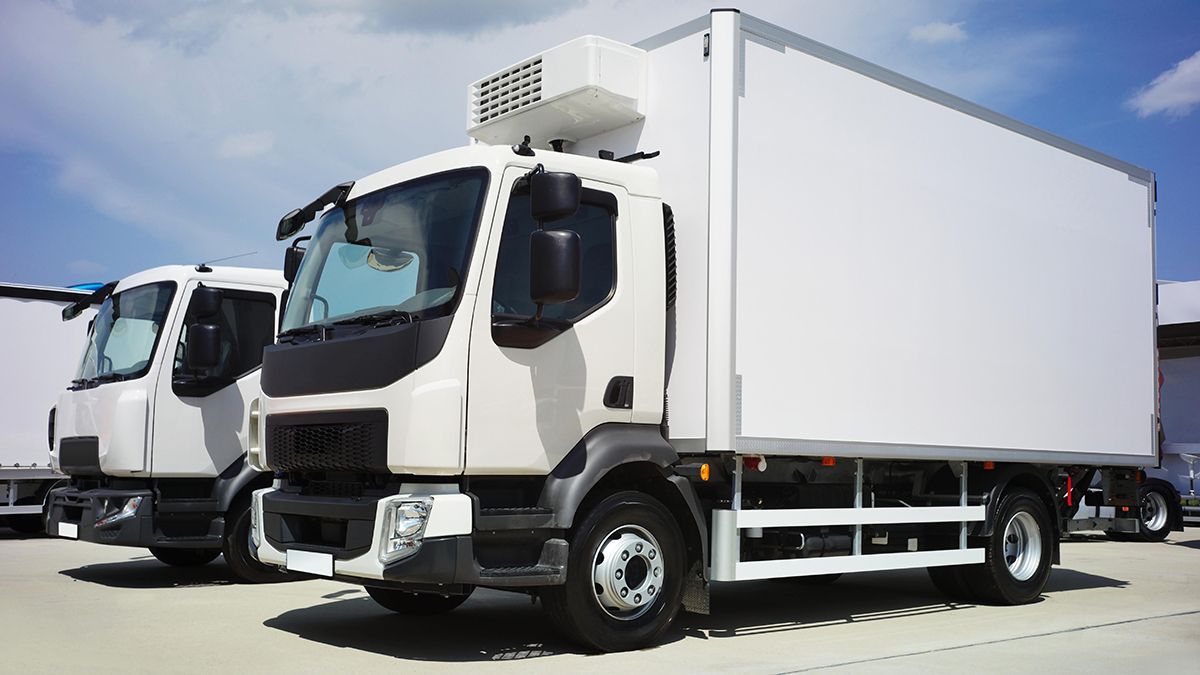
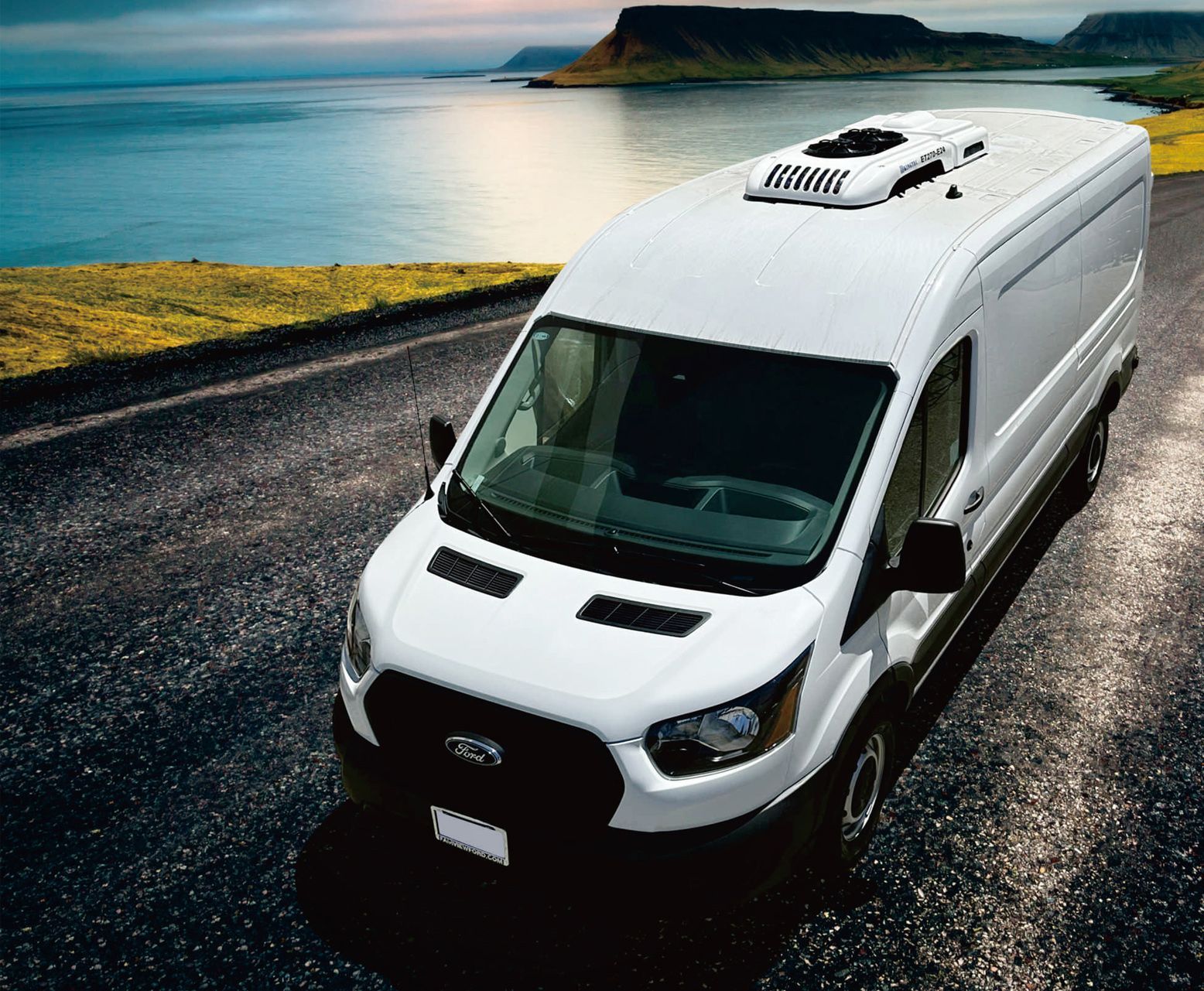
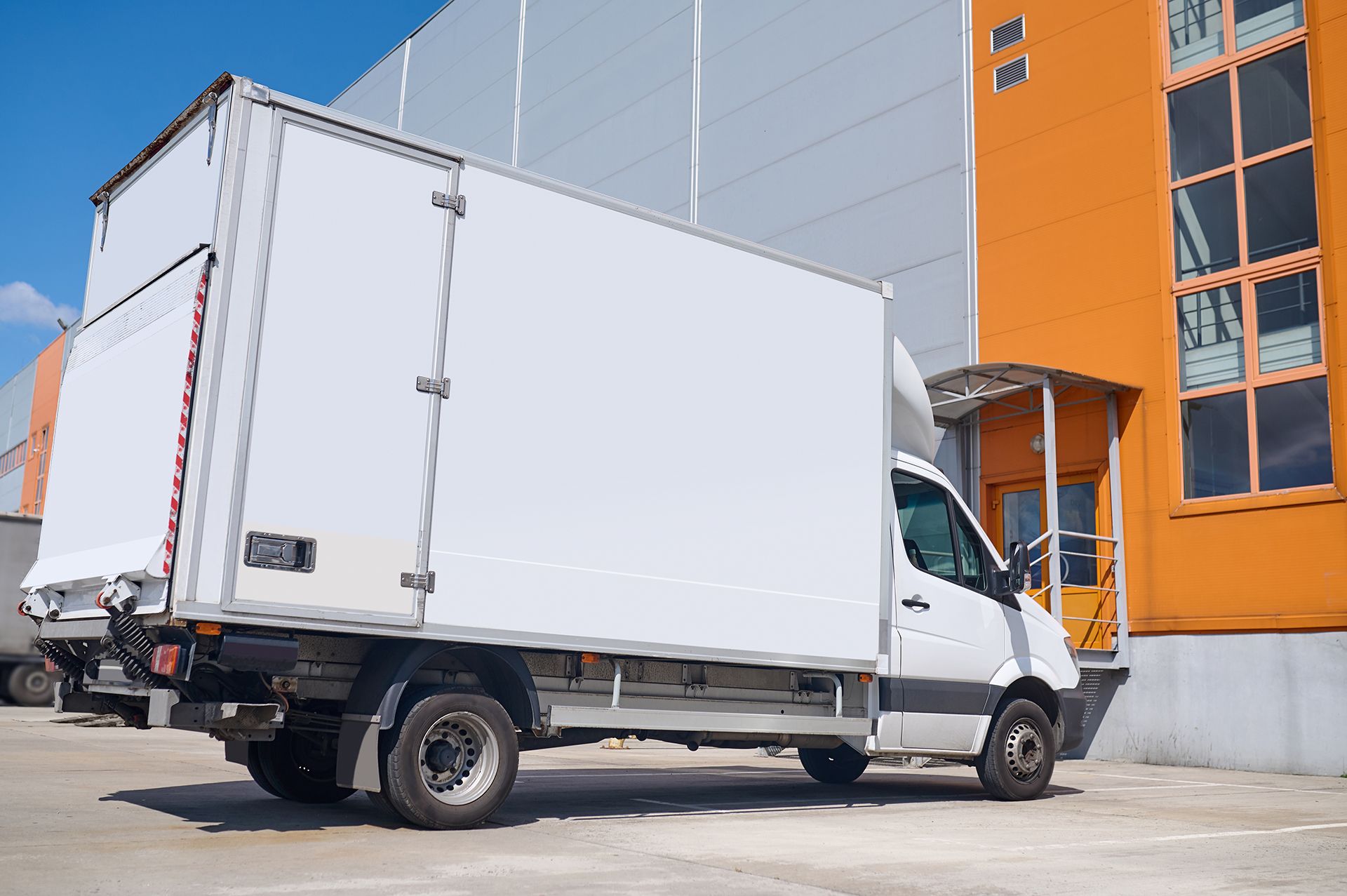
Tieman supplies insulated panel conversion kits, slip-in bodies, and refrigerated body assemblies designed to keep food within safe temperature ranges throughout the delivery process. Our systems are built for food businesses that need reliable cold chain performance across every route, every day.
Request a quote and let our team help you find a refrigeration solution that matches your delivery volume, your routes, and the safety standards your customers depend on.