Freezer Van vs Fridge Truck: What's the Difference?
Tieman Group • May 2, 2026
Freezer vans and fridge trucks are both refrigerated vehicles, but they are built for different jobs. Treating them as interchangeable is one of the more common and costly mistakes businesses make when expanding their cold transport operations.
The difference comes down to temperature capability, vehicle size, and the type of product being carried. Using the wrong vehicle for your cargo does not just create logistical friction. It puts product quality at risk, drives up operational costs, and creates compliance exposure in regulated industries. This guide breaks down both options clearly so you can make the right call for your business.
Freezer Van vs Fridge Truck (At a Glance)
| Factor | Freezer Van | Fridge Truck |
|---|---|---|
| Temperature Range | At or below -18°C | 0°C to 8°C |
| Cargo Type | Frozen goods | Fresh, chilled perishables |
| Vehicle Size | Smaller, light commercial | Larger, heavy commercial |
| Payload Capacity | Lower | Higher |
| Insulation Thickness | Heavier, thicker panels | Lighter panels |
| Best Route Type | Short, multi-stop urban routes | Long-distance, fewer stops |
| Fuel Efficiency | Lower due to heavier insulation | More efficient per unit at scale |
| Upfront Cost | Higher per unit of cargo space | Higher total due to size |
| Operating Cost | Higher energy demand | Lower energy demand |
| Compliance Suitability | Deep-freeze and pharma requirements | Chilled food safety standards |
| Maneuverability | High, suitable for tight areas | Lower, better for highways |
| Best For | Ice cream, frozen meals, pharma | Produce, dairy, catering, distribution |
What Is a Freezer Van?
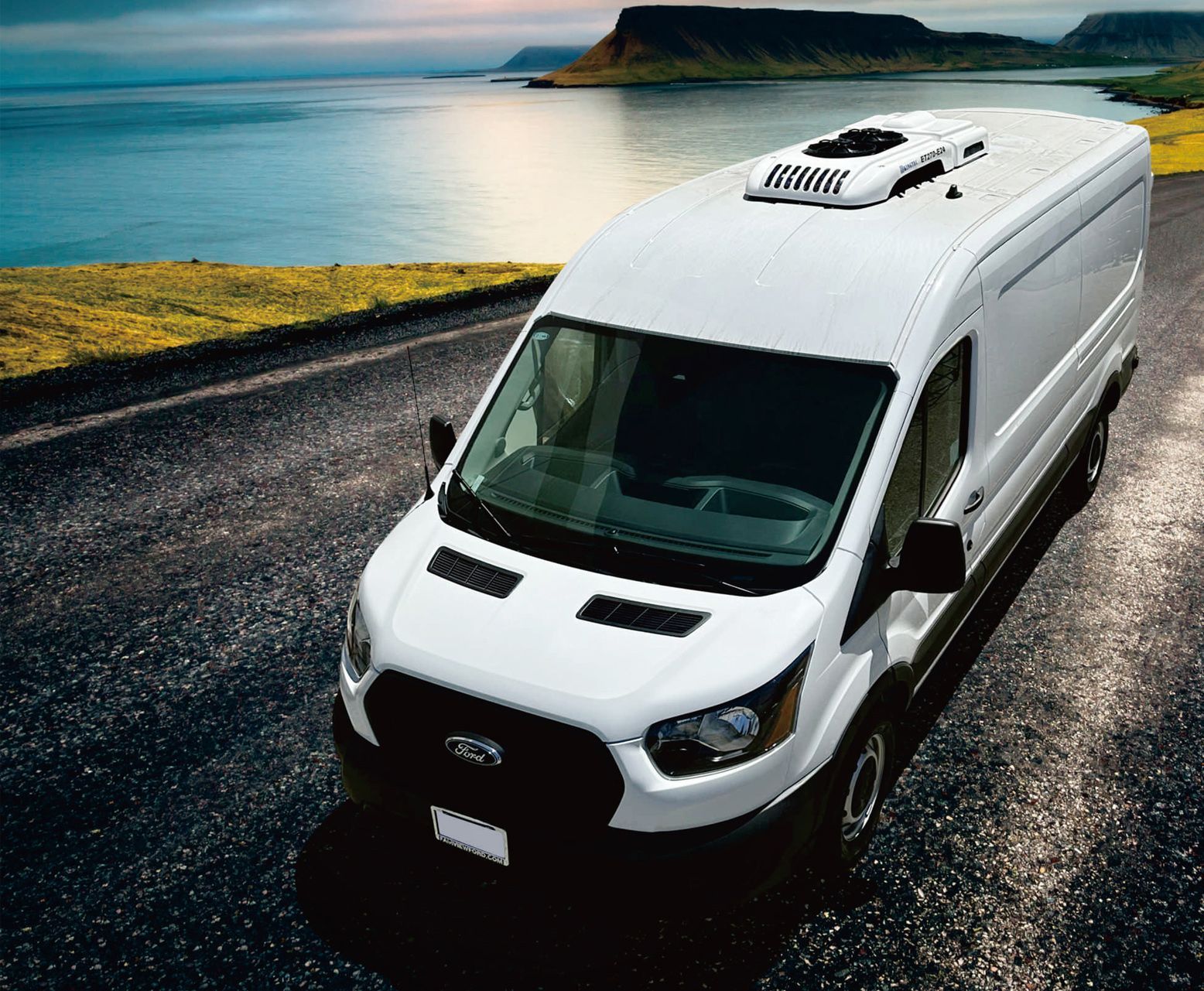
A freezer van is a smaller refrigerated vehicle designed to maintain sub-zero temperatures, typically at or below -18°C, throughout the delivery route. It is built specifically for transporting frozen goods that must stay solidly frozen from loading to handover.
Freezer vans are most commonly used for last-mile delivery in urban and suburban environments. Ice cream, frozen meals, frozen seafood, and certain pharmaceutical products that require deep-freeze conditions are all typical cargo for this vehicle type.
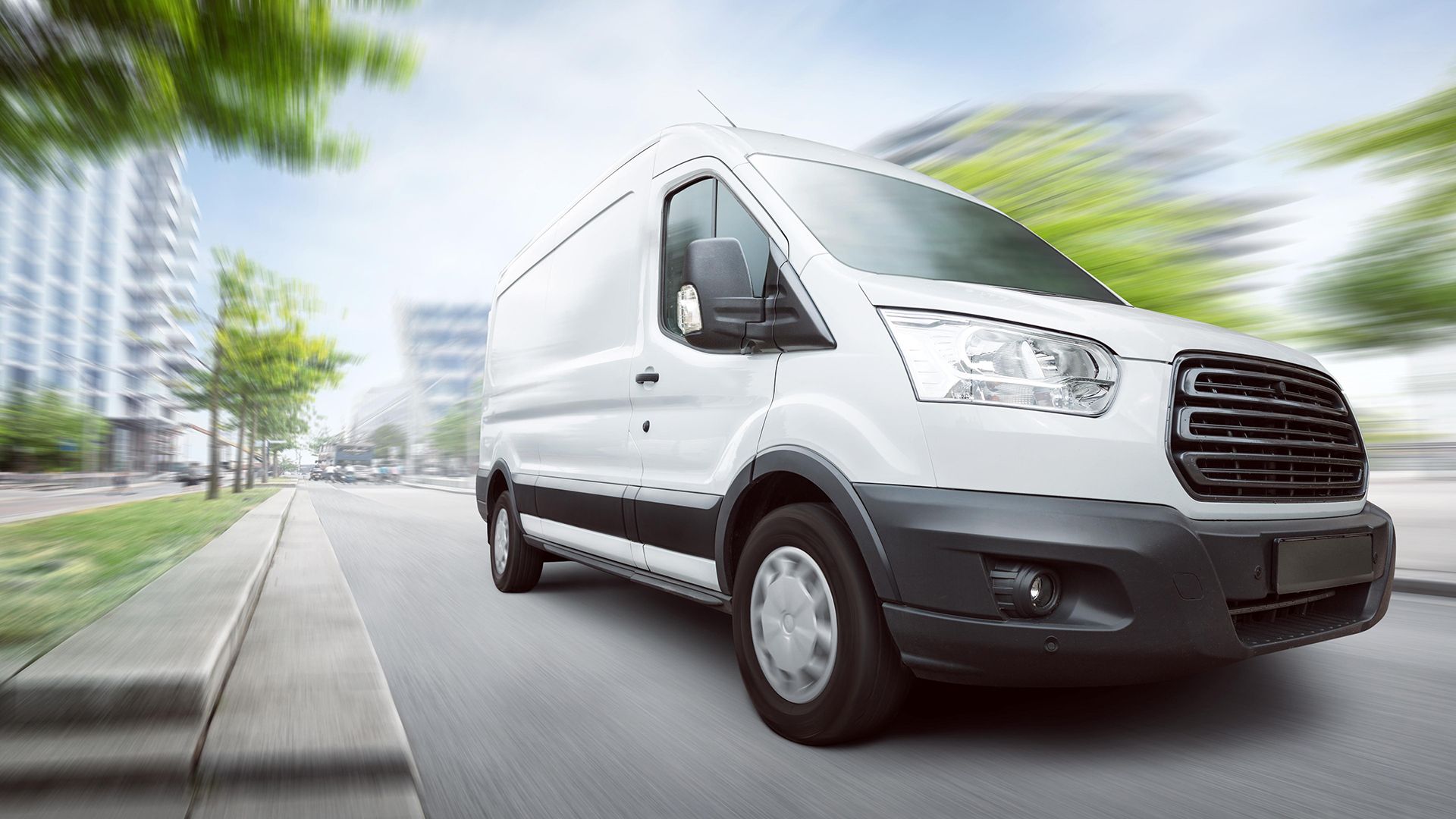
Because they are smaller and more maneuverable than fridge trucks, freezer vans handle frequent-stop routes efficiently. They can access tight urban streets, residential areas, and parking situations that a larger vehicle could not manage without significant delays.
What Is a Fridge Truck?
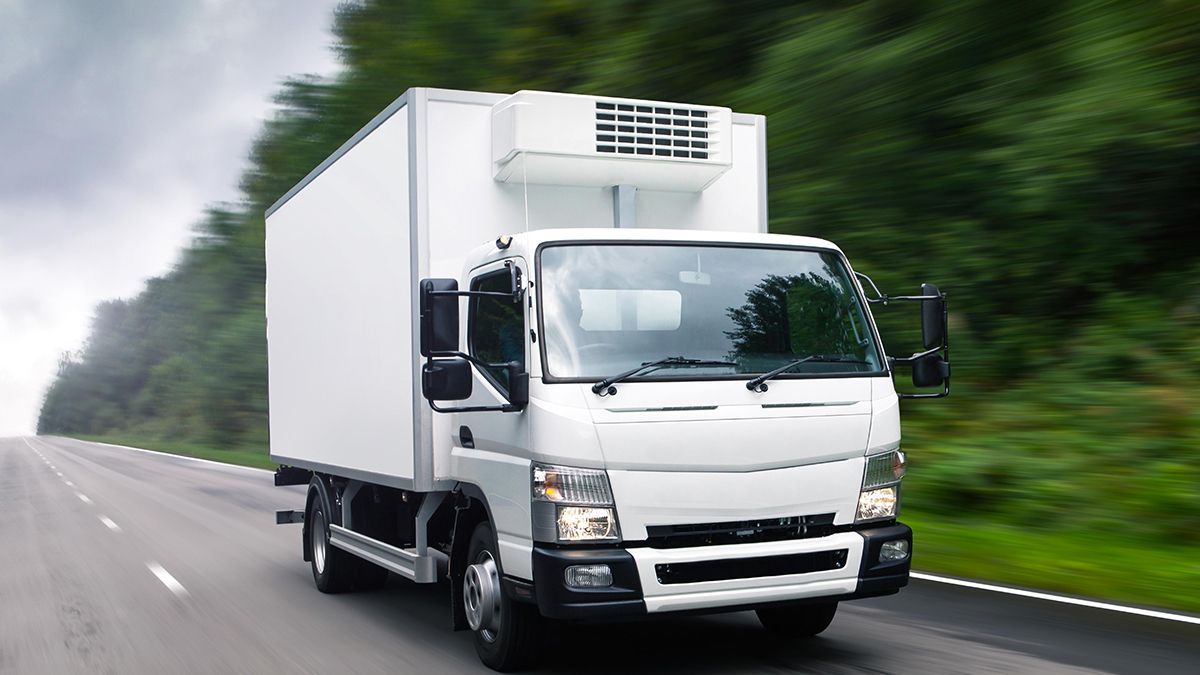
A fridge truck is a larger refrigerated vehicle designed to transport chilled goods at above-freezing temperatures, generally in the range of 0°C to 8°C, over longer distances and at higher volumes. The cooling system is optimized for maintaining stable chilled conditions rather than achieving or sustaining sub-zero temperatures.
Some fridge trucks can operate at freezing temperatures, but they are engineered for chilling performance first. Businesses that routinely need to transport frozen goods at strict sub-zero temperatures will find that a purpose-built freezer van outperforms a fridge truck in that specific application.
Fridge trucks are the standard vehicle for bulk food distribution, fresh produce transport, dairy delivery, and catering supply runs where the cargo needs to stay cold but not frozen throughout the journey.
How Do Temperature Capabilities Compare Between the Two?
The temperature gap between a freezer van and a fridge truck is significant and not a matter of fine-tuning. Freezer vans hold cargo at or below -18°C, the standard threshold for keeping frozen goods safe throughout transit. Fridge trucks operate in the 0°C to 8°C range, keeping perishables chilled without freezing them.
That distinction matters because frozen goods are unforgiving of temperature drift. A product that partially thaws and refreezes during transit suffers quality damage and creates food safety issues that are difficult to detect visually.
Using a fridge truck for frozen cargo introduces exactly that risk.
The reverse applies too. Running a freezer van for fresh produce or dairy that needs to stay just above freezing can result in freeze damage, particularly for items like leafy greens, fresh herbs, and certain fruits sensitive to temperatures below 2°C. Each vehicle type is calibrated for a specific range, and operating outside it creates predictable problems.
How Do Size and Capacity Affect Your Choice?
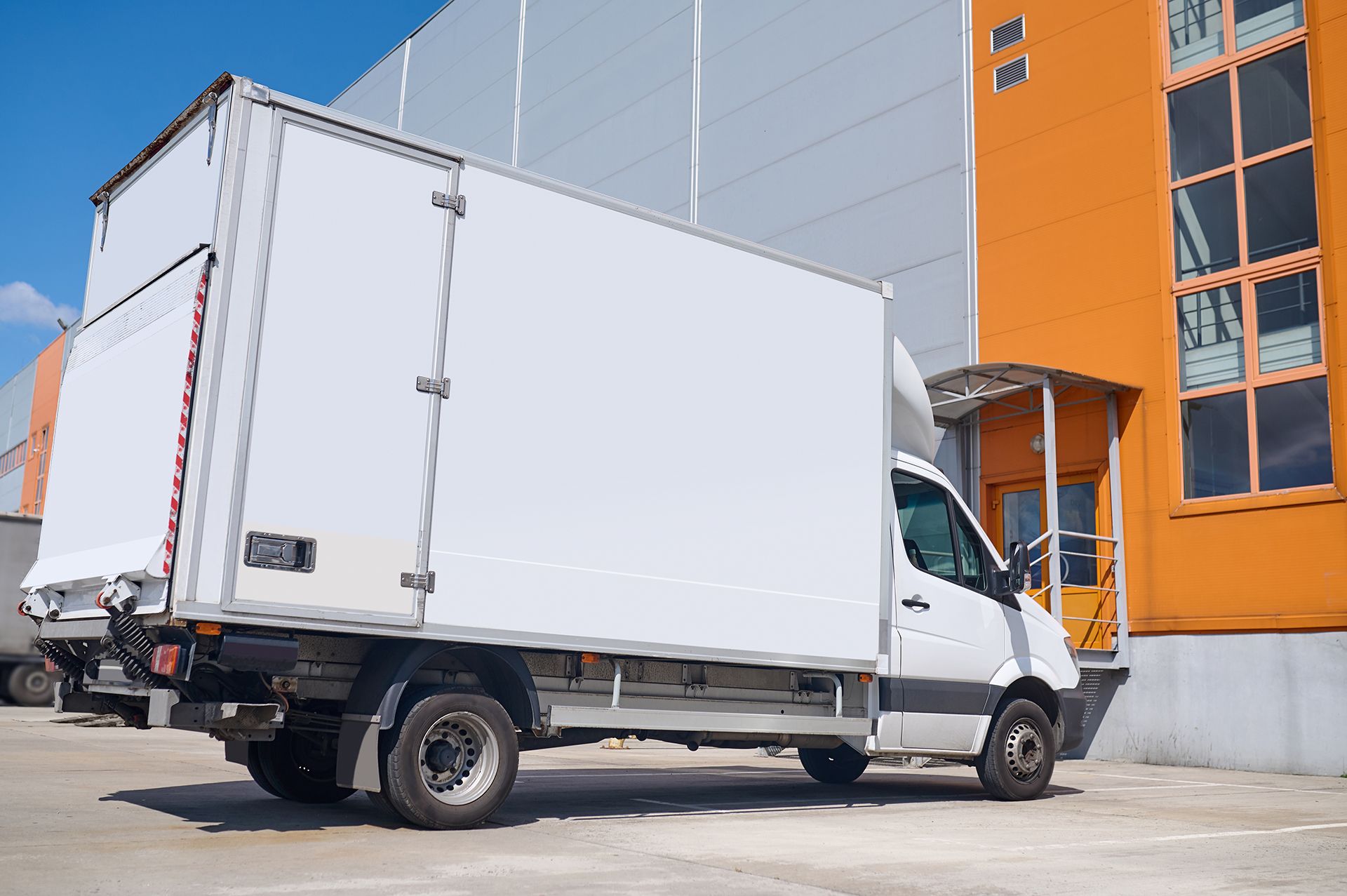
Freezer vans are smaller vehicles, typically built on a standard van or light commercial chassis. Their cargo space is sized for local delivery runs rather than bulk transport, which makes them well-suited to operations that prioritize route frequency and stop count over load volume.
Fridge trucks operate at a larger scale. Their cargo capacity supports bulk loads for distribution centers, catering suppliers, and food service businesses moving significant quantities in a single run. Larger capacity per trip means lower cost per unit delivered for high-volume operations, as long as the load fills the vehicle efficiently.
Delivery volume should be one of the first variables you assess when comparing the two options:
- For businesses delivering smaller quantities to multiple locations daily, a freezer van covers the route more efficiently
- For businesses moving large volumes to fewer destinations, a fridge truck reduces trips and overall operational cost
- Operations experiencing rapid growth may need to plan for the vehicle size that fits next year's volume, not just today's
How Does Insulation Differ Between Freezer Vans and Fridge Trucks?
Freezer vans require significantly thicker insulation than fridge trucks to maintain sub-zero temperatures against constant heat pressure from the outside environment. Achieving and holding -18°C on a warm day demands far more from the insulation system than maintaining 4°C under the same conditions.
Fridge trucks use insulation engineered for stable cooling in a more moderate temperature range. The panels are lighter, the thermal management is less aggressive, and the overall system is less demanding because the temperature differential between inside and outside is smaller.
The insulation difference has a practical downstream effect:
- Freezer vans carry heavier insulation relative to their size, which reduces available payload capacity
- The added weight impacts fuel efficiency compared to a similarly sized chilled vehicle
- Thicker panels also mean a smaller usable cargo area for the same external vehicle dimensions
How Do Costs Compare Between Freezer Vans and Fridge Trucks?
Freezer vans generally cost more per unit of cargo space than fridge trucks, for two reasons. First, the refrigeration systems required to achieve and maintain sub-zero temperatures are more powerful and more expensive than chilled transport systems. Second, the heavier insulation required adds to the build cost.
Operational costs follow the same pattern. Maintaining -18°C requires significantly more energy than maintaining 4°C, which translates into higher fuel consumption and higher refrigeration system wear over time.
Fridge trucks involve a larger total investment due to their size, but their cooling systems are less energy-intensive relative to the temperature range they are maintaining. For businesses moving high volumes of chilled goods, the cost per delivery tends to favor a fridge truck over multiple smaller vehicles.
The financial comparison over time:
- Freezer vans carry higher per-unit cooling costs but fit smaller operations that cannot fill a truck
- Fridge trucks have higher upfront costs but lower operating cost per unit delivered at scale
- Maintenance costs for freezer systems tend to be higher given the more demanding operating conditions
What Types of Businesses Should Use a Freezer Van?
Businesses that regularly deliver frozen goods to multiple locations on short, frequent routes are the primary fit for a freezer van. Ice cream distributors, frozen meal delivery services, and businesses supplying frozen seafood to restaurants and retailers all operate in this category.
Pharmaceutical businesses handling temperature-sensitive products that require deep-freeze conditions during transport also rely on freezer vans. The ability to document and maintain strict temperature compliance is critical in this sector, and a purpose-built freezer van is better positioned to deliver that performance than a general chilled vehicle adapted for low-temperature use.
Freezer vans are particularly well-suited when:
- The delivery route includes multiple stops in a concentrated area
- The product cannot tolerate any period above freezing during transit
- Vehicle maneuverability in urban environments is a practical daily requirement
What Types of Businesses Should Use a Fridge Truck?
Businesses moving large quantities of fresh, chilled perishables are the natural fit for a fridge truck. Fresh produce suppliers, dairy distributors, catering companies, and food service businesses running bulk supply routes to restaurants, hotels, and institutional buyers all operate at the scale and temperature range that fridge trucks are built for.
Long-distance food distribution is another strong use case. A fridge truck moving chilled cargo from a processing facility or distribution hub to regional retail or wholesale customers handles that kind of run more efficiently than a smaller freezer van could at any temperature.
Fridge trucks work well for:
- Large-volume chilled deliveries to supermarkets, restaurants, and food service accounts
- Catering supply runs where the cargo mix includes fresh produce, dairy, and prepared chilled foods
- Regional distribution routes covering significant distances with controlled stop schedules
How Do Delivery Distance and Routes Impact Your Decision?
Shorter, high-frequency routes with multiple stops favor freezer vans. Their smaller size makes navigation faster in dense areas, and their cooling systems recover quickly after door openings during multi-drop urban runs.
Longer-distance routes favor fridge trucks. Larger payload capacity means fewer total trips for high-volume cargo, and the chilled temperature range is easier to sustain over extended transit times than a sub-zero environment in warm ambient conditions.
The numbers make the contrast concrete:
- A freezer van delivering to 20 addresses in a city center outperforms a fridge truck on access, parking, and turnaround time
- A fridge truck covering four distribution points on a 200-mile run outperforms two freezer vans on total cost and efficiency
Match the vehicle to the route, not to the cargo alone.
How Do You Choose Between a Freezer Van and a Fridge Truck?
The freezer van vs fridge truck decision comes down to three questions answered honestly: What temperature does your cargo need? How much volume are you moving per run? How long and how complex are your routes?
If your cargo needs to stay frozen at or below -18°C and your routes are local and multi-stop, a freezer van is the right tool. If your cargo needs to stay chilled above freezing and you are moving significant volume across longer distances, a fridge truck fits the job better.
A practical decision checklist:
- Is your cargo frozen or chilled? Sub-zero requirements point clearly to a freezer van.
- How many stops do you make per route? High stop counts favor smaller, more maneuverable vehicles.
- What is your load volume per delivery run? High volume favors fridge truck capacity.
- Are you planning to grow? Factor in the vehicle that fits your operation in 18 months, not just today.
Why Does Choosing the Right Vehicle Matter for Your Business?
Using the wrong vehicle for your cargo type creates problems that compound over time. Products delivered outside their required temperature range arrive damaged, generate returns and complaints, and put the business in potential breach of food safety or regulatory requirements.
The financial cost of product loss is direct and immediate.
The reputational cost, particularly in industries where clients have strict supplier requirements, takes considerably longer to recover from and is harder to quantify. Getting the freezer van vs fridge truck decision right from the outset prevents both. A vehicle matched to your cargo type, route structure, and delivery volume runs more efficiently, wastes less product, and gives you the compliance confidence that regulated industries expect.
Ready to Choose the Right Refrigerated Transport Solution?
If you are trying to work out which vehicle type fits your operation, or if you are at the point where your current setup is no longer keeping up with your delivery demands, it is worth talking through your specific situation with someone who builds these systems.
Tieman designs and supplies refrigerated bodies, freezer van conversion kits, and insulated panel systems across a range of vehicle types and temperature requirements. We work around your cargo, your routes, and your business goals rather than offering a standard package.
Request a quote and tell us what you are transporting, where you are delivering it, and how often. We will help you identify the right vehicle configuration for what your operation actually needs.