Should You Buy a Refrigerated Van or Convert Your Vehicle?
Tieman Group • May 1, 2026
Making the right investment for your cold chain operation is never a light decision.
You're weighing upfront costs against long-term reliability. Customization against compliance. Speed against budget. And the wrong call can cost you more than just money.
Both purchasing a refrigerated van and converting an existing vehicle are proven paths. This guide walks through each option clearly, so you can make the call with confidence.
What Is the Difference Between Buying a Refrigerated Van and Converting One?
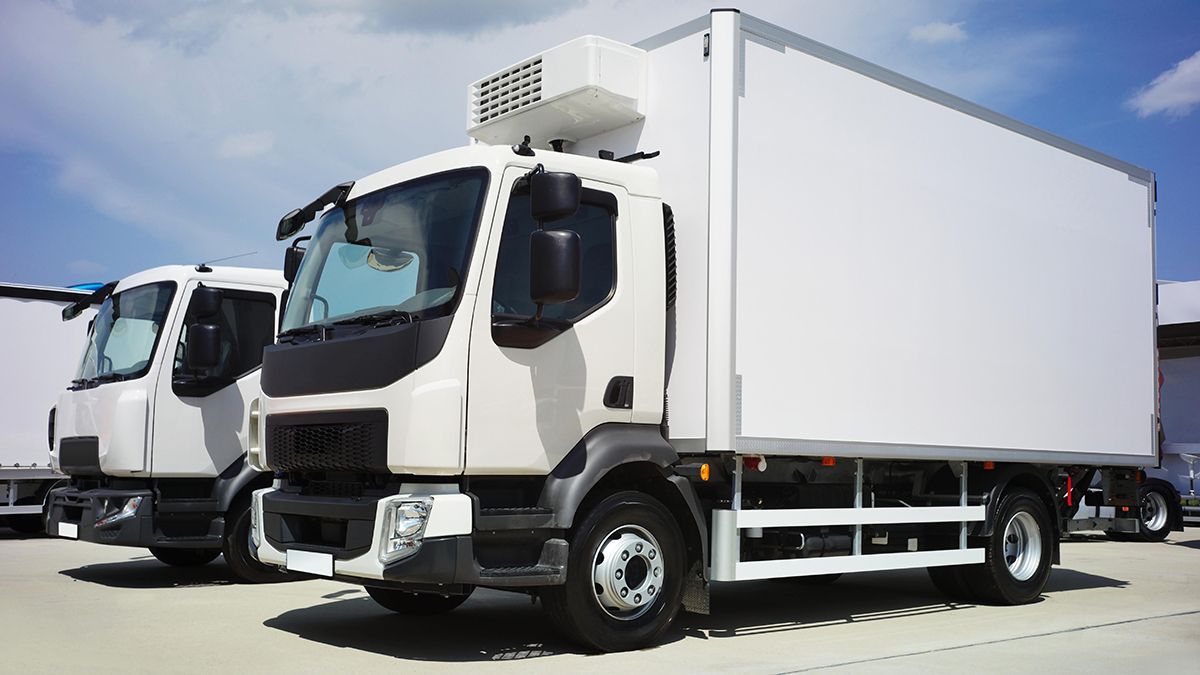
A pre-built refrigerated van comes factory-fitted with integrated insulation, a dedicated cooling system, and temperature management features built into the vehicle's design. It arrives ready to operate. No setup window. No waiting on parts.
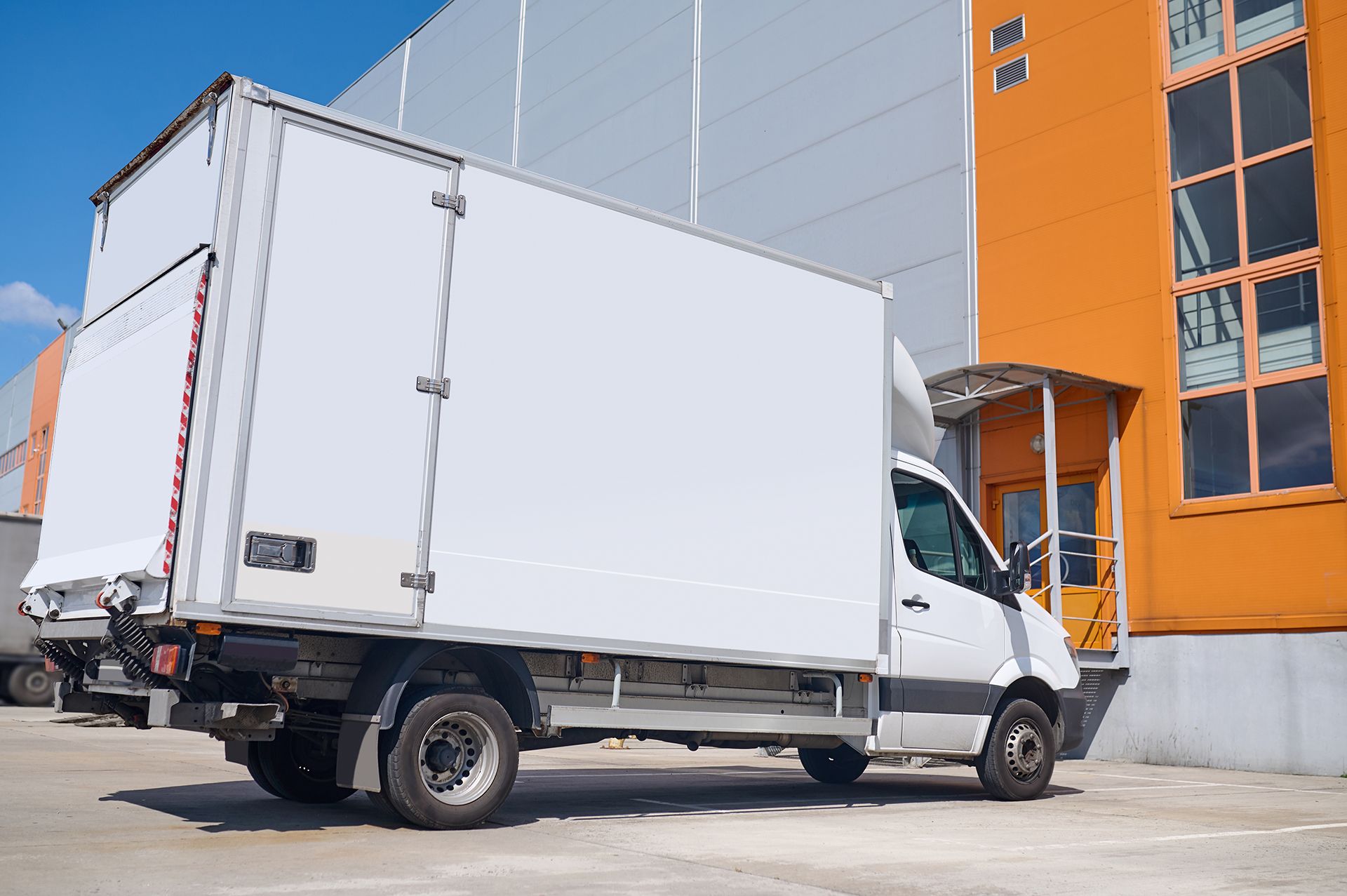
A conversion takes an existing van and retrofits it with insulation panels, a separate refrigeration unit, and the seals and supports needed to maintain a controlled environment. It requires planning, professional installation, and some lead time before the vehicle is road-ready.
The two options differ across four key areas:
- Upfront cost
- Setup timeline
- Customization flexibility
- Long-term performance reliability
When Does Buying a Refrigerated Van Make More Sense?
When speed, performance, and compliance are non-negotiable, a purpose-built refrigerated van is the stronger option.
There is no installation window, no waiting on components, and no risk of delays from a build that runs long. The vehicle arrives tested and ready to work.
Factory-built systems also carry fewer performance unknowns. The insulation, cooling unit, and vehicle components are designed to work together from day one, which reduces the risk of temperature inconsistencies during transit.
Pre-built units tend to be the preferred choice for:
- Pharmaceutical and medical supply transport
- Frozen goods and deep-freeze logistics
- Dairy and fresh produce operations with strict cold chain requirements
- Businesses that need to demonstrate compliance quickly
Pre-built vehicles also tend to hold their resale value better over time, particularly when maintained properly and used within their designed operating range.
What Are the Drawbacks of Buying a Refrigerated Van?
A factory-built refrigerated van is a strong solution, but it is not a perfect one.
Pre-built vehicles carry a higher upfront price tag than conversions, which can be a real barrier for smaller operations or businesses in an early growth phase.
Customization is also limited, as layout, shelving configuration, and insulation type are largely fixed at the point of manufacture. If your cargo has specific dimensional or temperature requirements outside standard configurations, a factory unit may fall short.
A few other limitations:
- You may pay for features your operation does not actually need
- Depreciation accelerates when the vehicle is underutilized
- Specialized builds offer less layout flexibility than a custom conversion
If your delivery volume does not justify the investment, the numbers may not work in your favor.
When Is Converting Your Existing Vehicle the Better Option?
Converting makes the most sense when you already own a suitable vehicle and want more control over your setup at a lower upfront cost.
Rather than purchasing a new vehicle, you are building on an asset you already own. For small or growing businesses watching their margins, that distinction matters.
Conversions allow for meaningful customization too. Insulation type, shelving layout, refrigeration unit placement, and cargo flow can all be tailored to your operation's specific needs. High-performance insulation options like PU (polyurethane) or PIR (polyisocyanurate) panels can be selected based on your required temperature range, giving you more control over long-term energy efficiency.
Conversions tend to work well for:
- Short-distance and local delivery routes
- Niche operations with specialized cargo needs
- Businesses carrying mixed-temperature loads
- Operations with specific sizing or shelving requirements
Businesses running short routes tend to see a faster return on investment, since the vehicle is already familiar and the refrigeration cost is the primary new expense.
What Are the Risks or Limitations of Converting a Vehicle?
The biggest risk is a poor installation. DIY or underqualified builds are the most common source of problems.
Improper panel sealing, poor insulation continuity, or an undersized refrigeration unit can all lead to inconsistent temperatures. That puts your cargo at risk and your compliance status in question.
The risks compound quickly when the base vehicle is already worn. A high-mileage van with mechanical issues introduces reliability concerns that a newer vehicle would not carry. If significant repairs are needed alongside the conversion, the cost advantage starts to disappear.
Other limitations to keep in mind:
- Self-installed builds are far less likely to meet food safety and transport regulations
- Deep-freeze and pharmaceutical-grade applications require precise installation to perform correctly
- Poor insulation means higher energy costs, every single day
Professional installation is not optional if you want a conversion that performs consistently and holds up to scrutiny.
How Do Costs Compare Between Buying and Converting?
Conversions typically come in lower on upfront cost. However, installation and labor for a quality build can narrow that gap, particularly when the refrigeration unit requires complex mounting or electrical integration.
The real comparison happens over time:
- Insulation quality - A well-insulated conversion using PIR panels can perform close to a factory unit in energy terms. A poorly insulated one costs more to run every day.
- Fuel efficiency - Pre-built units are designed with weight distribution in mind. Conversions add weight to a vehicle not originally built for it, which can affect fuel economy.
- Resale value - Factory-built vehicles generally hold value better. A documented, professionally installed conversion on a well-maintained base vehicle can still hold reasonable value.
- Maintenance - A purpose-built vehicle is engineered as a complete system. Conversions with mismatched components may require more attention over time.
Conversions are often cheaper to start. Keeping them cheaper depends entirely on how well they are built.
What Compliance and Safety Requirements Should You Consider?
Compliance can override cost savings entirely.
Refrigerated vehicles are subject to a layered set of federal, state, and industry standards. A conversion that cuts corners on any one of them creates operational problems and legal ones.
Federal Requirements
At the federal level, FMCSA vehicle safety standards under 49 CFR Part 393 require that refrigeration units are properly secured and free of leaks. Any converted vehicle must be able to pass a DOT inspection. Failures carry real fines and can pull your vehicle off the road entirely.
For businesses hauling food or pharmaceuticals, FDA's Food Safety Modernization Act adds another layer. Cold chain rules under 21 CFR Part 117 require documented temperature logs throughout transit, with specific thresholds: chilled loads generally kept below 5°C and frozen cargo below -18°C.
California-Specific Rules
Operators running vehicles in California face additional requirements through CARB's Transport Refrigeration Unit (TRU) regulations. Any TRU operating on California roads must hold a valid permit, meet emissions standards, and comply with ongoing reporting obligations. Non-compliant units can face fines exceeding $1,000, and those penalties apply regardless of where the vehicle is registered.
CARB also enforces limits on high-GWP refrigerants in new installations, pushing operators toward lower-impact alternatives. If your conversion uses refrigerants that do not meet current CARB thresholds, you may face compliance issues before the build even hits the road.
Industry Standards
Beyond regulations, a professionally installed conversion should align with ATP Convention classifications, which define insulation and temperature performance classes for refrigerated transport. The FRC class, for example, applies to frozen cargo and sets specific performance benchmarks the unit must maintain. For dairy and produce clients, ISO 22000 certification signals a food safety management system that meets international standards, and many buyers now require it.
Document everything. Pre-conversion and post-conversion temperature tests, installer credentials, and equipment specs all serve as compliance proof when audits or client requirements come up. A well-documented conversion is far easier to defend than one that exists only as a receipt and a best guess.
How Does Your Current Vehicle Affect the Decision?
Your existing vehicle can make a conversion an excellent investment. It can also make it a costly mistake.
A van in good mechanical condition, with reasonable mileage and a clean maintenance history, is a strong candidate. The refrigeration work builds on a reliable foundation, and the total cost stays manageable.
A vehicle with significant wear introduces a different equation entirely.
Ask yourself:
- How long do you realistically expect this vehicle to remain in service?
- Does it have any recurring mechanical issues that could compound after conversion?
- Would the cost of needed repairs, combined with the conversion, still come out ahead of buying pre-built?
If the answer to that last question is no, replacing the vehicle and opting for a factory-built refrigerated unit may be the cleaner financial decision over a five-year horizon.
How Do You Decide Which Option Is Right for Your Business?
Start with these questions:
- Do you need the vehicle operational immediately? A pre-built unit removes setup time entirely.
- Do you have cargo requirements that standard configurations cannot accommodate? A conversion gives you more flexibility.
- Does your industry require documented compliance with specific temperature standards?
- What is your upfront budget, and how quickly do you need to see a return?
Buying tends to suit operations where reliability, speed to deployment, and compliance documentation are the priority. Converting tends to suit businesses looking to maximize an existing asset, customize their setup, and keep initial costs down.
Short local routes with moderate temperature requirements are a natural fit for conversions. Long hauls, regulated cargo, and operations with no tolerance for temperature variance tend to favor factory-built vehicles.
Know your cargo. Know your timeline. Know your budget. The decision usually becomes clear from there.
Ready to Upgrade Your Refrigerated Delivery Setup?
Tieman offers professional refrigeration conversion kits built for the demands of real-world delivery operations. Reliable performance, straightforward installation, and long-term durability, without the guesswork.
Our team helps you find the right solution for your vehicle, your cargo, and your business goals.
Get a quote today and find out which refrigerated van conversion option is the right fit for your operation.